Blog

  • Did Deadpool & Wolverine Save the MCU?

    Did Deadpool & Wolverine Save the MCU?

    Lindeman & Associates.

    By Marcellus Day, Stentorian Staff Writer

    “He’s right behind me, isn’t he?” I say as the guy who I knocked out is right behind me. Comedy gold; I won the Oscar for that one. If you’ve been tuning into the recent movies to come out of the Marvel Cinematic Universe (MCU) lately, you are no stranger to moments such as the one above.

    It’s no secret that the MCU has been on a decline in terms of quality ever since they started toying with the multiverse and making sure that no decision actually has any weight because everything can be undone. So, to see another Deadpool movie come out was really refreshing. Finally, something that can be compelling but not take itself too seriously; y’know how long I’ve been waitin’ for this? I saw it in theaters opening weekend, although I was unfortunately not able to snag one of the gorgeous limited-edition popcorn buckets. It’s safe to say that while I was not disappointed, Deadpool is not Marvel Jesus.

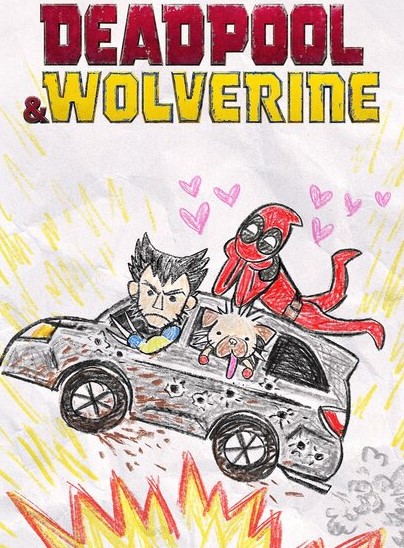
    Deadpool and Wolverine, aka Deadpool 3, is an action comedy starring Ryan Reynolds as Deadpool and Hugh Jackman as Wolverine. The movie follows Deadpool after the events of Deadpool 2 and in the plot conflict of saving his timeline as he knows it. To do so, he must find Wolverine, and after an iconic dance scene with Logan’s bones (seriously, search “Deadpool Intro Bye Bye Bye” on YouTube; I promise it is worth your time), he hops dimensions to find another Wolverine. Through a series of well-placed cameos who will make a name for themselves and a captivating emotional scene to Madonna’s “Like a Prayer”–one that I have watched too many times–they ultimately save his universe. Vague description, I know, but I’m dedicated to giving no spoilers. 

    Overall, the movie was fun and lighthearted. I recommend seeing it if you need a good laugh and are into Deadpool’s humor or if you want to get the hidden references throughout this article to a card-slinging Cajun. 

    However, overall it was the same movie we have been seeing from the MCU, but this time with more provocative jokes. It ran through the “Oh no, my timeline, gotta go save it. Look at all these wacky hijinks and weird characters made possible by the multiverse. Oops, we spent so much time with wacky hijinks we forgot to make a complex villain, but that doesn’t matter because our hero just saved the day through the power of human connection.” Which is something we’ve seen a thousand times now. 

    While Deadpool and Wolverine is definitely better than most of the stuff that we’ve seen come from this era of Marvel, I don’t think it single-handedly saved the MCU. But who knows, with movies like Blade and The Fantastic Four: First Steps scheduled for 2025, this may be the start of something new.
  • In Photos: Fall Sports Begin

    In Photos: Fall Sports Begin

    By Preston Mullins, Stentorian Staff Writer

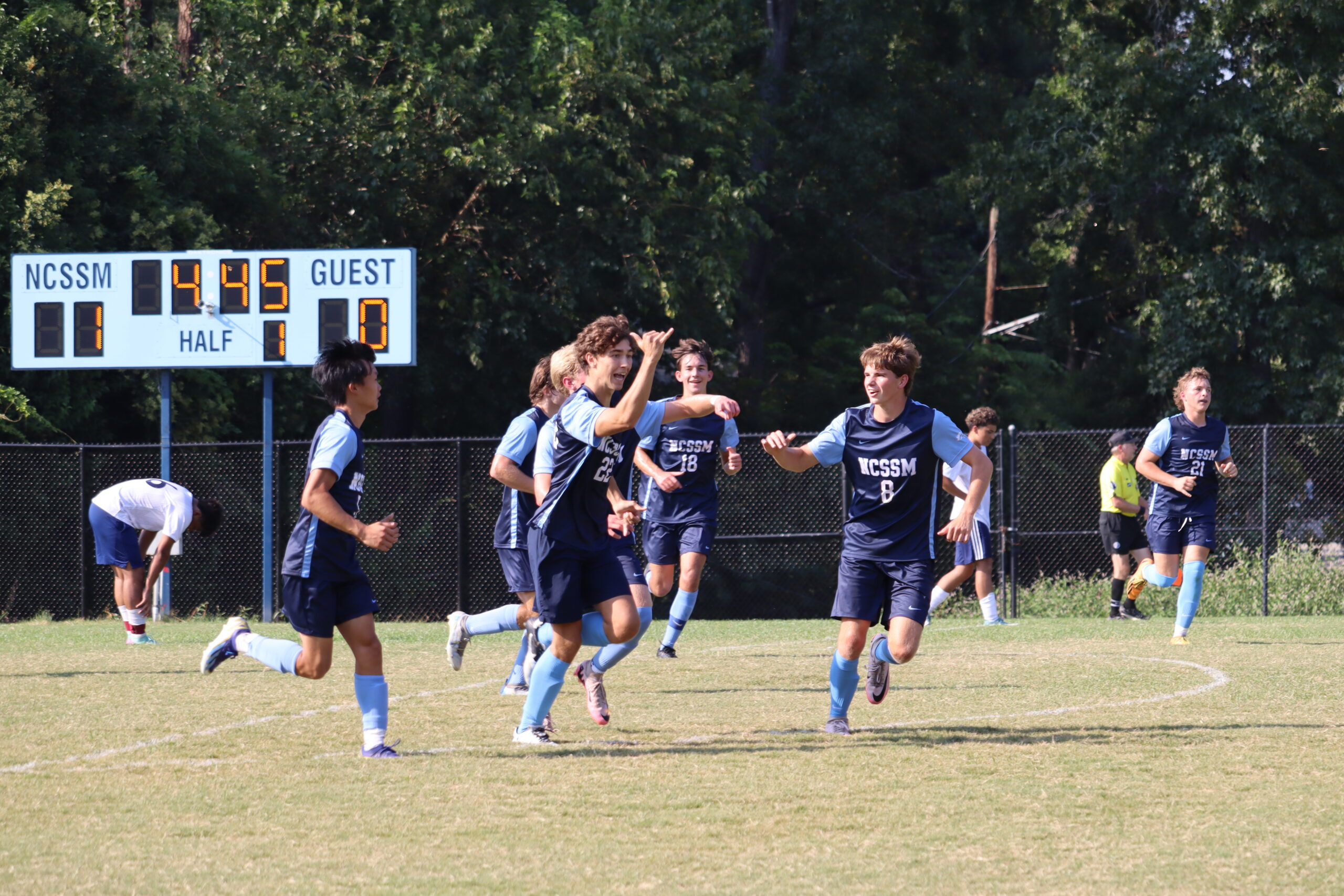
    HIGHLIGHTS FROM AUGUST & SEPTEMBER. The fall athletic season is upon us and a variety of sports have begun. Men’s soccer, women’s tennis, women’s volleyball, men’s and women’s cross country, and women’s golf are all back in action. Student-athletes are working hard in and out of the classroom studying, practicing, and competing at the top of their game! Your support is key to their success. It means the world to them when they see their peers in the stands. Be sure to come out and cheer on our Unis at a sporting event this fall!

    Image Credits: Dylan Dees, Louisa Weinard, Jude White, NCSSM Cross Country.

  • Jumble

    Jumble

    By Marcellus Day, Stentorian Staff Writer

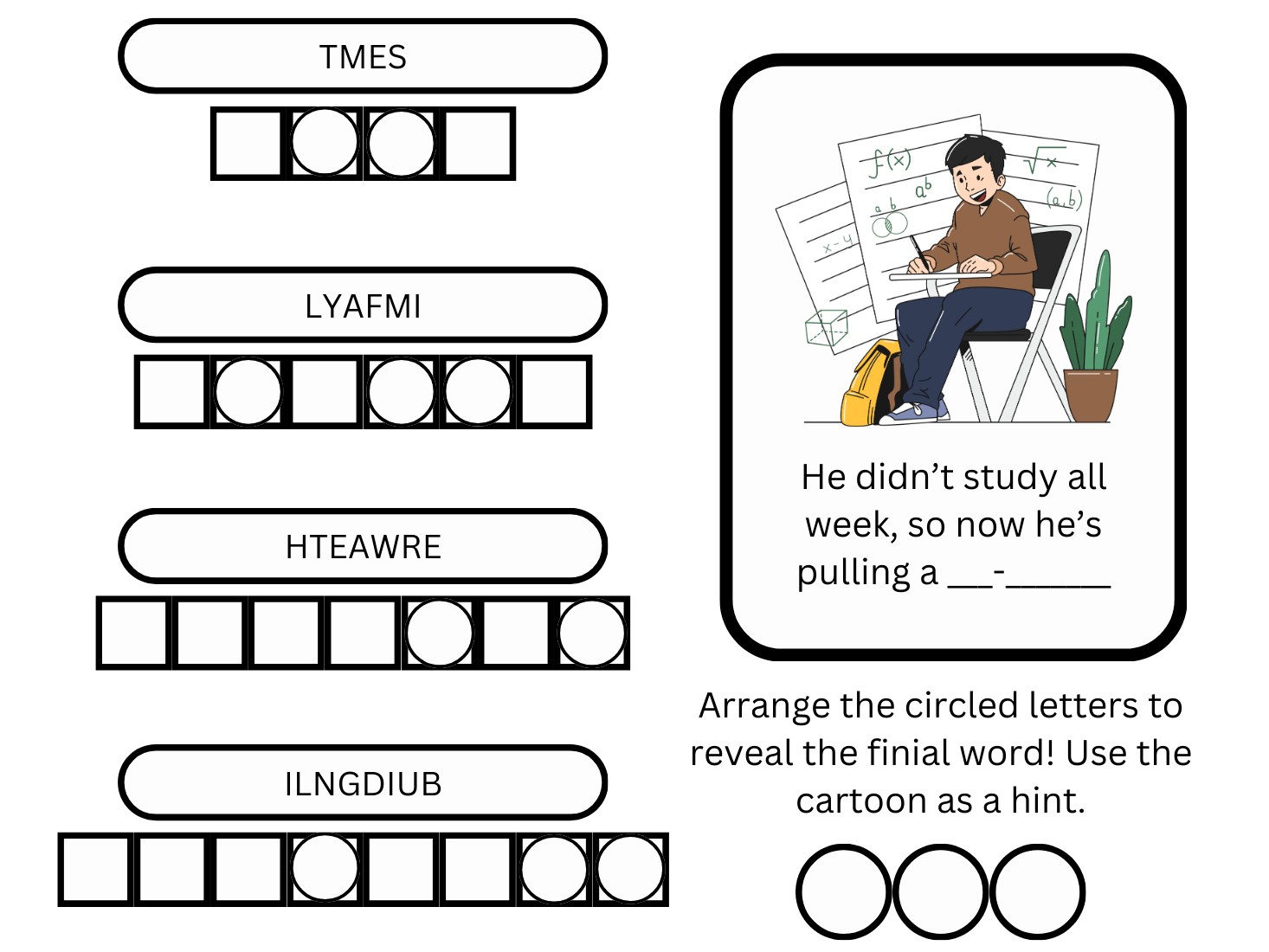
    Unscramble these four Jumbles ordinary words related to the September 2024 issue of the Stentorian.

  • Unigram (Nonogram)

    Unigram (Nonogram)

    By Marcellus Day, Stentorian Staff Writer

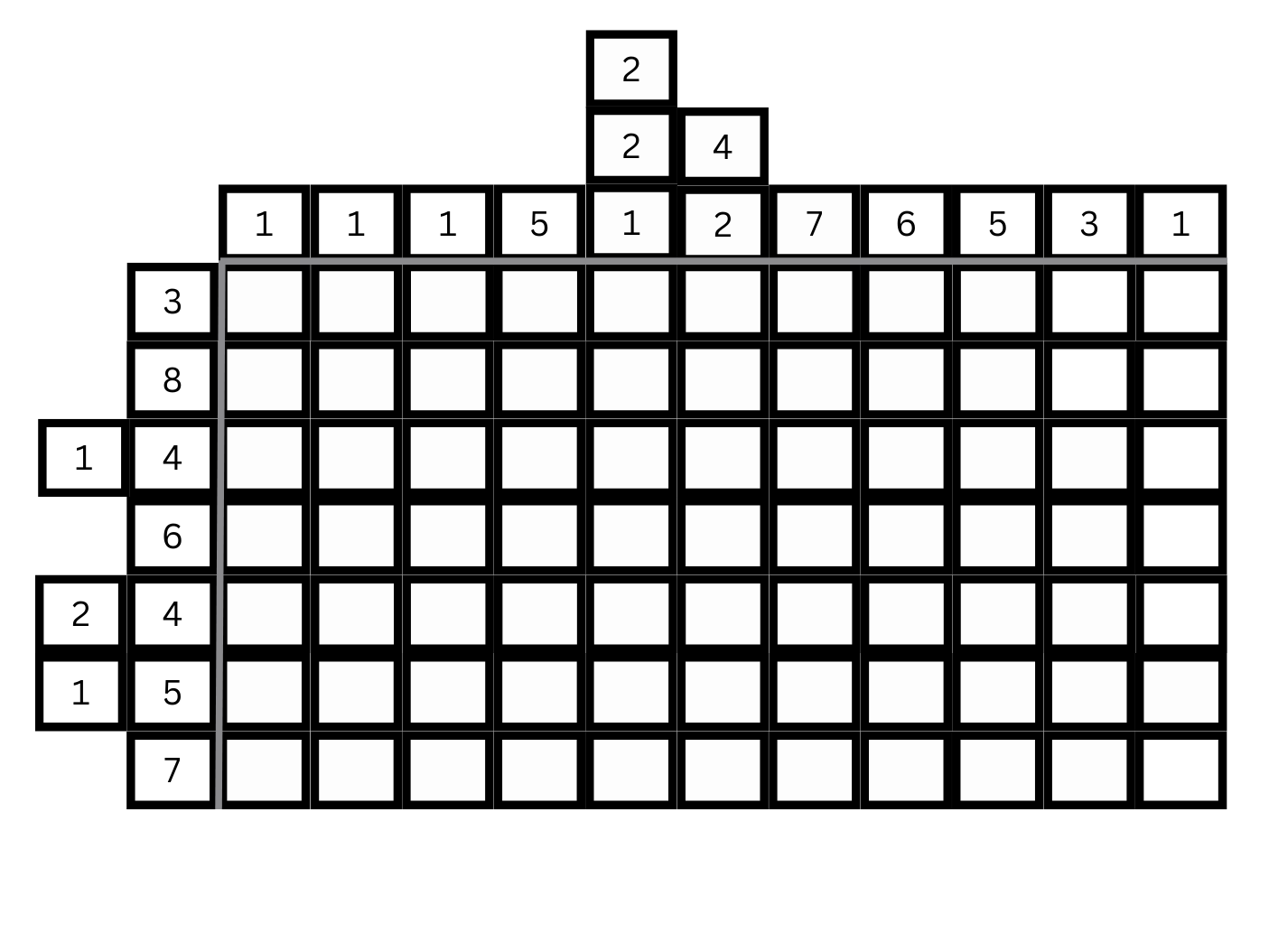
    Fill in the blanks to reveal a picture! Fill in the blanks according to the columns and rows. Each row and column has numbers to the side to tell you how many consecutive numbers are in that column/row. Read them top to bottom and left to right. If there are more than one number, that means that there is one space between the consecutive blocks.
  • Light Up (Akari)

    Light Up (Akari)

    By Marcellus Day, Stentorian Staff Writer

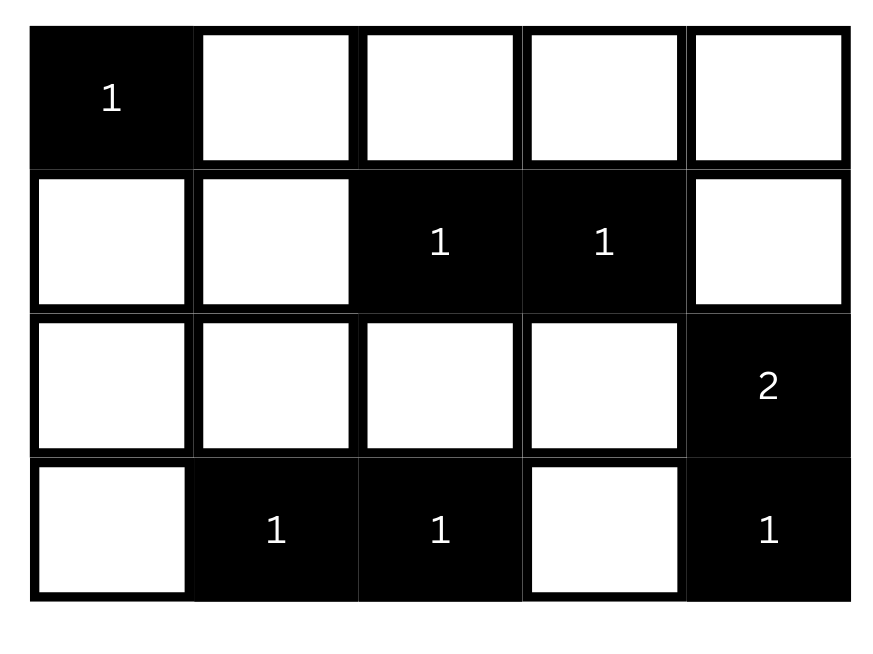
    The goal is to light up all the blank squares by placing lights on them. Lights shine both horizontally and vertically, and two lights may not face each other. The numbers in the black boxes represent how many lights are adjacent to the space.

  • Athlete Spotlight: Hadley Woods

    Athlete Spotlight: Hadley Woods

    By Preston Mullins, Stentorian Staff Writer

    NCSSM Yearbook Staff.

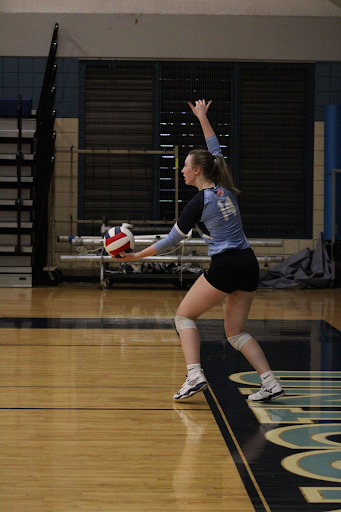
    Hadley Woods ‘25 is a senior on the NCSSM women’s volleyball team. Volleyball is an integral part of who she is as a person.

    When I asked her why, she explained, “I’ve been playing volleyball since fourth grade, so for nine years. I honestly couldn’t imagine my life without volleyball. Playing has allowed me to see so many places and make so many friends who are spread all across the country. This sport has brought me some of my closest relationships and I couldn’t be more thankful for that.”

    Woods’ favorite volleyball memory was in sixth grade when she took home her first win–that was the moment she fell in love with the sport.

  • Earthy Proof: Young People Save The Earth

    Earthy Proof: Young People Save The Earth

    By Teresa Fang, Filmmaker

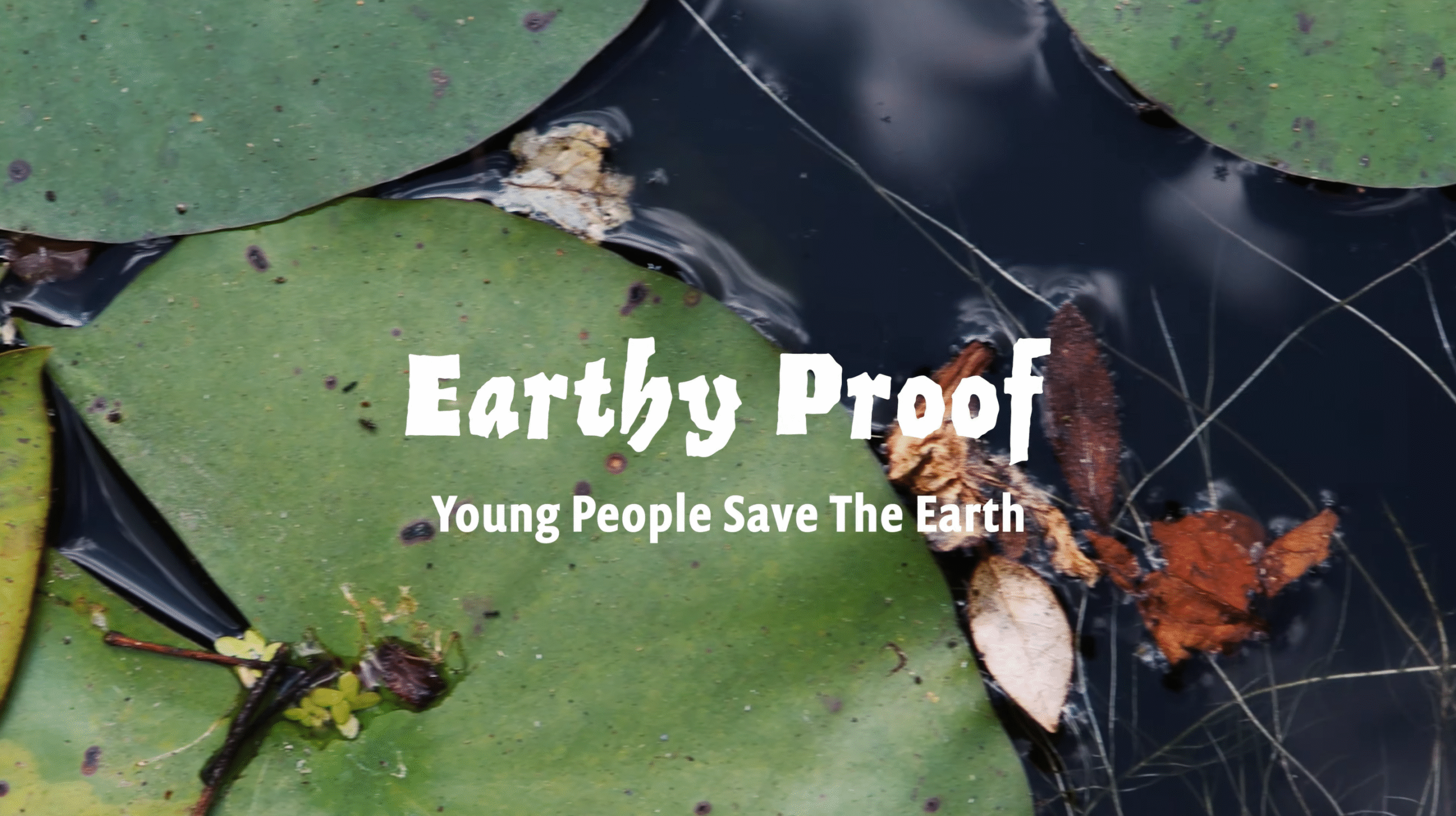
    This is a documentary film produced for an international film festival during the Summer Research and Innovation Program (SRIP) in the summer of 2024. Special thanks to everyone who contributed to the making of this film: North Carolina School of Science and Mathematics, Carrie Alter, Kate Auger, Mello Harden, Heather Mallory, Michael Falvo, RBio, RPhys, RChem, SRIP directors and instructors, friends, and the filmmaker’s parents. Featuring Amy Sheck, Nikhil Vemuri, Anna Tringale, Skyler Qu, and George Cheng.

    Earthy Proof is a short documentary that focuses on young people taking on a new kind of activism: innovative and impactful research. The film follows four student researchers from the North Carolina School of Science and Mathematics (NCSSM) in Durham, NC, as they tell their story of starting their research projects, their thoughts on promoting change through science, and where they are now or for the future.

    Guided by their mentors and the Dean of Science, these students’ visions put them in the driver’s seat of the vehicle for change, channeling their energy and creativity into solving local and global challenges. They persevere to take care of the Earth, the climate, and their communities with contributions regardless how large or small.

  • The 2024 Paris Summer Olympics: Highlights and Controversies

    The 2024 Paris Summer Olympics: Highlights and Controversies

    GETTY IMAGES

    By Gyani Patel, Stentorian Staff Writer

    The 2024 Olympics have once again brought the world together, celebrating athletic achievement and cultivating a sense of global unity. This international event that goes beyond borders allows athletes from all sorts of diverse places to come together to compete, share their stories, and inspire millions. This year, taking place in Paris, France, the Olympics have captured the world’s attention with its grandeur. 

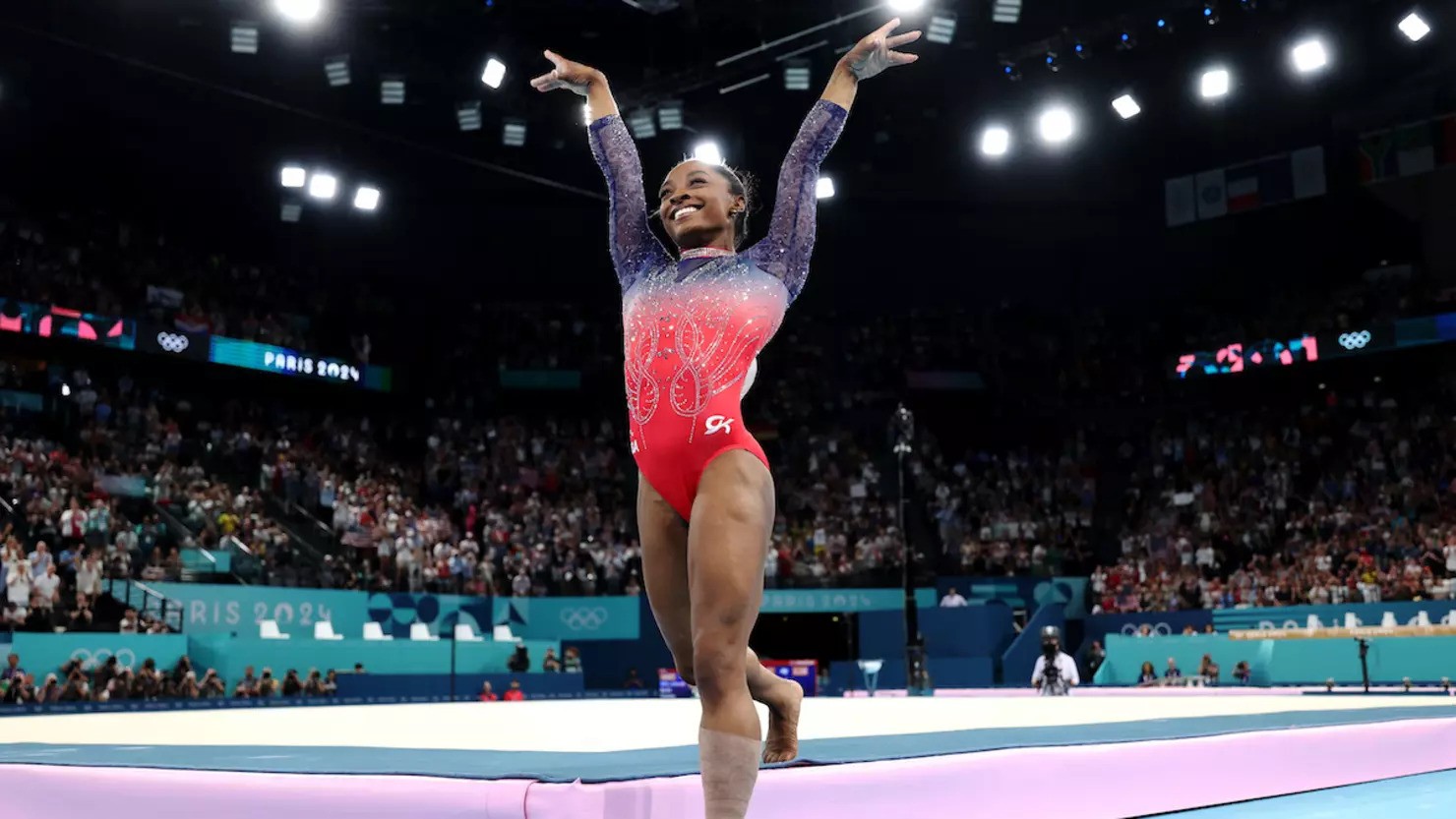
    One of the highlights of this year’s games has been Women’s Gymnastics. Often considered one of the greatest gymnasts of all time, Simone Biles has returned to the Olympics with a determination to add to her already impressive legacy. After taking a step back during the Tokyo 2020 Olympics to prioritize her mental health, Biles has come back even stronger. Her performances in Paris demonstrate her extraordinary talent but also showcase her perseverance and dedication to the sport. Biles has already made her mark in history by winning gold medals in the team, all-around, and vault events. Her routines, being of immense difficulty, are almost perfectly executed, leaving judges and audience members alike, mesmerized.

    However, the 2024 Olympic Games have not been without their controversies. The boxing events have sparked ongoing debates over gender eligibility. Algerian boxer Imane Khelif and Taiwanese boxer Lin Yu-ting were disqualified from the 2023 World Championships due to gender tests by the International Boxing Association (IBA). Despite this, the International Olympic Committee (IOC) allowed them to compete in Paris, which only furthered the discussions about fairness and the integrity of Women’s Boxing. The IOC and IBA are now in a public argument, with the IOC criticizing the IBA’s actions and transparency, while the IBA defends its stance. This controversy raises more general questions about gender testing and discrimination in sports, overshadowing many athletes’ achievements during the games.

    The Paris 2024 Olympics have been a tribute to exceptional skill, remarkable achievements, and perseverance. Athletes have inspired millions with their dedication and talent, while the events displayed stories of resilience and triumph from competitors of all backgrounds. However, the games have also highlighted ongoing issues within sports, such as the debates surrounding gender eligibility. Despite these controversies, the unwavering commitment and years of hard work from each athlete have resulted in performances that will be remembered for years to come, making this year’s Olympics a truly spectacular event for fans worldwide.

  • NCSSM Brings the Olympic Spirit to Students, Creates New Olympic Sport “Textbook Pickup”

    NCSSM Brings the Olympic Spirit to Students, Creates New Olympic Sport “Textbook Pickup”

    ANNELIESE HEYDER – STENTORIAN EDITOR-IN-CHIEF

    By Anneliese Heyder, Stentorian Editor-in-Chief

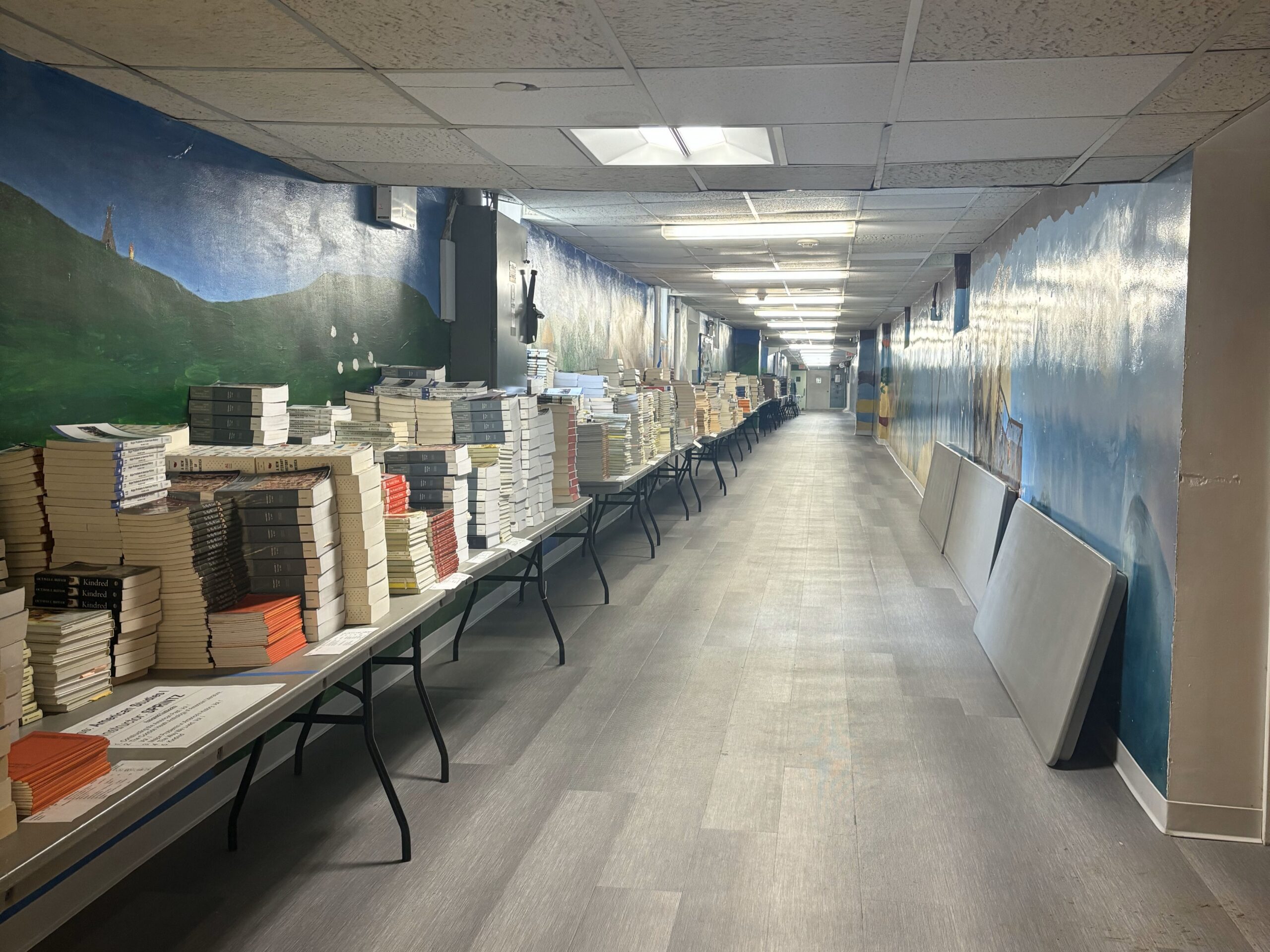
    The most anticipated sport at NCSSM has arrived: Textbook Pickup. 

    For most, this is the closest they’ll get to competing in the real Olympics. Students can be seen donning their uniforms ⎯ complete with laundry baskets, plastic tote bags, and suitcases, or coming with only a pair of hands. To many, this event is considered quite a feat and is seen as an Olympic sport. Students spend much time preparing for the challenge: sprints up and down the stairs, bicep exercises in the PEC weight room, and yoga to not tear any muscles. 

    Students arrive at the event with no warning of how many books they will be carrying back; numbers can range from 4-20 and vary in size. Got multiple science books? Dr. Martha Regalis’ class? Good luck with that. Humanities are normally smaller and more lightweight than the thick STEM textbooks (they can literally be used as weapons). 

    A Few Tips For Those New to the Event

    First, eat a big breakfast. You are going to want to be fueled for the journey. The last thing you want to do is run out of energy halfway back to your dorm, for once you stop it’s hard to start again. 

    Second, get there early or find a time when it won’t be crowded. This will help you not become overwhelmed, or frustrated and you can finish the event without bumping into other students. 

    Third, don’t dilly-dally. You’ll forget a book you need or end up with one that has pages falling out. Get your stuff and get out. 

    Now, there are obstacles you will need to overcome during this event. Don’t trip on the sidewalk on Hill Street or slip on the stairs. Keep your fob on hand so you don’t have to fumble with finding it for 10 minutes. Choose the right uniform: you don’t want to not have enough room to carry all your books (I recommend a laundry basket or tote bag). 

    How To Win

    Now, you may be wondering how this Olympic event is won. Some students have 4 books, others have 16. Some live on 1st Beall – a few steps from pickup – whereas others live on 4th West. How in the world is that fair? Well, this sport isn’t judged by how fast you grab your books or the amount you carry. It isn’t about if you got the first pick of the books or took the stairs instead of the elevator. It’s about community. 

    Community is essential to living here at NCSSM as good sportsmanship is to any sport; it revolves around lending a hand, offering support, and assisting one another. Do you see a student struggling to get textbooks up the stairs? Offer to take half. Did someone drop all their books on Hill Street? Help them pick up. Hold the elevator for others or plan with your roommate/hallmates for what works best for everyone. Does someone need an extra bag? Lend them one. 

    This sport has become a popular and competitive event here at NCSSM, and I am sure it will evolve in the next few years. Keep an eye out for more tips on how to best prepare for this challenge, as well as information on the other event in the NCSSM student Olympics: “Textbook Dropoff.”

  • Settling The Debate Between STEM and The Humanities

    Settling The Debate Between STEM and The Humanities

    TERESA FANG – STENTORIAN EDITOR-IN-CHIEF

    By Teresa Fang, Stentorian Editor-in-Chief

    Over SRIP, I was booed in the PFM for saying the humanities department needed more funding.

    Why the booing? There is no need for students to be divided over the financial decisions that the school administration makes. Several of the research in science (RSci) groups required access to expensive materials, like Madagascan roaches ($20 per roach) and hard-to-pronounce chemicals (remember to check if it’s toxic before buying), and the students in those groups were bemoaning their experiments, wishing they had chosen a simpler research topic instead. That would be much easier, right?

    As someone who grew up doing humanities things, I argue that it is a lot of work to get through as well. There is a different type of difficulty to humanities work, but between the STEM-dominated campus of NCSSM and the general negative stigma that surrounds the humanities, it’s easy to wonder if the RSci students were right.

    Many people claim that entering the STEM field deserves a lot of credit due to its arduous nature. The level of memorization, technical skill, and repetitiveness required for STEM is seen as a testament to their difficulty. As minorities are increasingly overcoming social barriers and gaining opportunities to rise in STEM industries and fields, there’s no reason why the sciences shouldn’t be held in high regard.

    Another common thought is that a STEM career provides you stability with less effort compared to the humanities. Minority groups making strides in a humanities-based subject still encounter issues, which are often exacerbated because of the limited chances to display their work. Depending on who you ask and their personal academic experiences, you’ll get a very different answer as to whether pursuing STEM or the humanities is more important.

    But instead of wasting our time debating the relative worth of the two fields, we are unconsciously devaluing both by overlooking their individual and combined merits.

    STEM has helped progress our society structurally, technologically, and medically. It provides us with a solid understanding of ourselves and how we interact with the world. This knowledge allows us to use our resources to the best of our capabilities, benefiting the parts of the world that need fixing. 

    The humanities, in their own way, support society the same; the humanities preserve and innovate the human experience, letting us see where we came from and where we are now. They enable people to creatively express their thoughts and celebrate shared experiences, highlighting the human connection in a world that grows further apart each day.

    These two fields represent so much of humanity on their own that their combination is truly fascinating. The key to communicating STEM is rooted in the humanities. The key to knowing what the humanities need to address lies in STEM. A prime example of this combination is the COVID-19 pandemic: STEM worked on getting vaccines while the humanities were used for effectively and accurately communicating that research, as well as serving as comfort in a dark, depressing, and isolated time.

    All in all, this is not to say it’s wrong to be proud of your field or be competitive with others across disciplines. But it’s important to differentiate between open-mindedness and an unnecessary comparison between the sciences and humanities. Why compare two things that really can’t and shouldn’t be compared? This mindset undermines the other and draws attention away from the real social issues that they should solve. 

    Everybody says that interdisciplinary academics is the goal, but they neglect to see that each of the different subjects makes a whole unit, not incomplete fragments. After all, a growth mindset is always better than a fixed mindset.