Blog

  • Regeneron STS Wins

    By Mabel Kennedy, Stentorian Staff Writer

    As you meander or perhaps rush to your classes through the Reynolds breezeway, your gaze will linger on the rather demanding mural of all the graced students who have won the achievement of being crowned a “top 40 finalist” in the Regeneron competition. Soon, our very own senior Ava Cummings’ ‘25 name will be highlighted. 

    For all those who don’t know, the Regeneron competition is a nationwide science competition for seniors, placing a particular emphasis on research. It is known as a “prestigious” competition as defined by their parent company. As Dante Tringale ‘25 states, “It is the largest and oldest science talent search in the country, where they look for the next leaders of the generation of scientific exploration.” They begin with all the applicants then slowly whittle down to the “Top 300 Scholars,” where you receive a $2,000 (unfortunately taxed) scholarship and an internship offer, and “Top 40 Finalists” where you can present your work along with a $25,000 scholarship (taxed too, sigh) and a chance to compete for higher prizes. Both tempting benefits are when deciding whether you want to submit your work.

    As someone unfamiliar with the inner workings of the competition and miles away from the science community committed to achieving some sort of title within Regeneron, I had the chance to learn about the competition from a fairly unbiased point of view. What I found particularly interesting was their inclusion of the story behind the research when considering the students’ applications. They take this into account when reading the additional essays that applicants were required to write when submitting their research. Tringale ‘25 brought this to my attention during our conversation about the application process saying, “It’s a completely separate application process (not through the school), similar to a scholarship application you write additional essays about what you researched, why, and what your future contributions to science will be, as well as turning in the 30-page research paper.” 

    Your journey, if you so choose, might start through one of the various research programs our school offers, such as RBio or RChem, among others, or through an Independent Study. Either one has its benefits or disadvantages depending on the person or topic.` 

    I learned after spending my afternoon with Aretha Datta ‘25, a “Top 300 scholar,” that the competition wasn’t exactly the end goal for many students in NCSSM’s research programs. Regeneron wasn’t on the front burners, despite my impressions after passing by the large mural in Reynolds breezeway every day, I simply chalked it up to be another example of the school favoring science rather than encouraging interdisciplinary work and the inclusion of the humanities, something ever-present in my school life. However, I learned that their research was much more than that after hearing how they wanted to continue it in college, hopefully ending up benefiting their community. I also noticed, as I passed by all of the research presentations on February 19th, that most of the researchers began their work after noticing a humanitarian issue and wanted to make a change. I’ve actually noticed that it was the student’s passion for their topic that far surpassed the sponsor’s support in some cases. 

    When applying to NCSSM’s research programs, students are met with encouragement that no matter their background and previous experience, they have the opportunity to pursue research.
  • Reynolds Moves to Mods

    Reynolds Moves to Mods

    (Louisa Weinard/Stentorian)

    By Marcellus Day, Stentorian Staff Writer

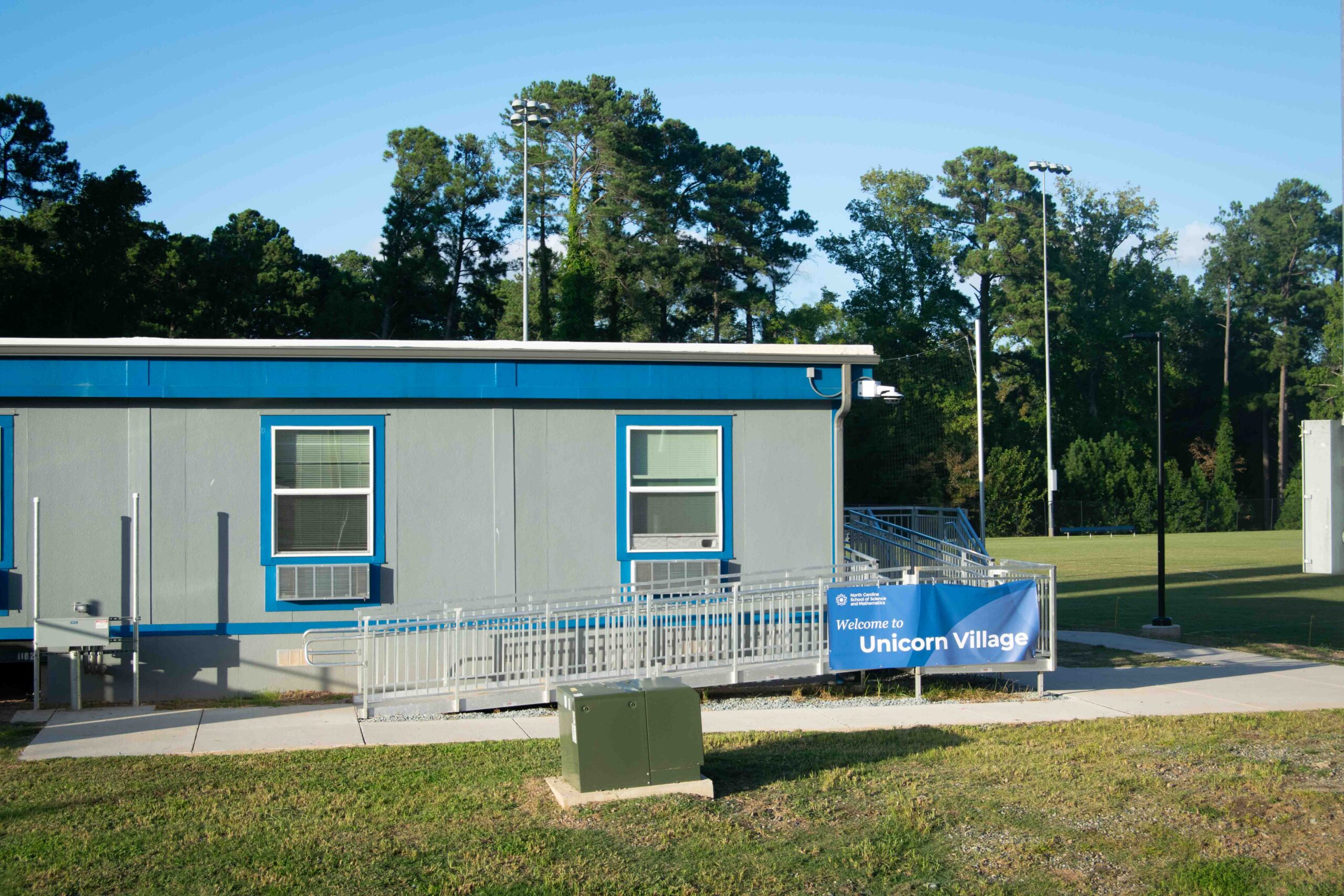
    As a part of the campus’s renovation plans, all of Reynolds moved into the modular units over the February extended weekend to little fanfare. Both Greynolds halls and half of 1d1c2c moved into modular one, and Reynolds 1e2e2d and the other half of 1d1c2c moved into modular two. While this move was warranted with the plethora of issues the building was facing, many Reynold’s students advocated for the move not to happen, due to it being so late in the year. Regardless, on March 2nd all were moved into the modular units, where Reynolds will likely stay until Spring 2026. Here are some of their thoughts about mod life and the move:

    “I like the bigger room, but otherwise, Reynolds was much better. If I wanted to hike to class through the rain every day, I would’ve lived on Royall, and I went from a hall size of 10 people to a size of 45- a HUGE change for the middle of the school year. The walls are paper thin, and everything feels temporary- because it’s meant to be.” – Anonymous

     “It was generally alright, just wish we had more of an opportunity to see rooms and that jazz prior to the move.” – Anonymous

    “The facilities are nice, but we still haven’t gotten soap dispensers (we’re having an intense soap shortage and have learned the art of violently pressing the bare soap box skeletons with our palms and rubbing them together for a slim hope of making bubbles) and it’s too far away from classes. However, there’s a dual-edge sword to its far location; at the end of the day it feels satisfying after a long walk to finally settle down in your dorm room. It feels like a sense of coming home, though in a weird, temporary way. “ – Lily Galapon

    The class of 2027 can also expect to live on the modular units, which might shift campus perception on them as they move in at the start of their NCSSM careers. In the meanwhile, all current Reynolds people are preparing to move out for the second time, with the seniors saying goodbye to campus forever. 

  • NCSSM Hall Theme Rankings 2025

    NCSSM Hall Theme Rankings 2025

    (Louisa Weinard & Vincent Shen/The Stentorian)

    By Lily Frank, Stentorian Staff Writer

    We spend almost half our year on campus at NCSSM, so our RLAs and CCs work hard to make the cold halls (especially in recent days) feel more lively so that one day, we might consider NCSSM home. However, not all themes create as much joy or jealousy as others. In the following pages, I will give you my completely subjective and untrained opinion on this highly pressing matter. As was the case last year, I have removed my hall, Second Beall, to remain “neutral”…

    1. 4th Bryan: Cat Cafe

    The theme board is top-tier, I can only imagine how cozy 4th Bryan must be. The RLAs also go above and beyond, adding extra cat themed decorations outside of the hall for valentines day. Thank you for making the treacherous journey to physics slightly less soul-crushing. =^._.^= 

    1. Ground Reynolds: Strawberry Shortcake

    This theme gives off so much 2010s nostalgia, and makes for such cute decorations. Because Greynolds is tucked away it might not be one of the most frequently seen themes, but the beautiful theme boards in front of the halls make the cold space of Ground Reynolds so much warmer. 

    1. 2nd East: Pokemon

    I like it: relevant, infinite decoration potential, and nostalgia. The individual Pokemon cut out for the theme board shows dedication, though I feel like you are missing a few hundred Pokemon… 

    1. 2nd Hill: 2HL Grand Prix

    NCSSM already moves fast enough, living here would just stress me out. Unless we are talking Spec Miata. For a hall displaced in the mods this is a very solid theme, and even without a themeboard, they make up for it with creative door decks.

    1. Royall: Royall’s Freezeria

    I love seeing Papa Louie on my Hillgrimage journeys staring at me from Royall Lounge. A theme that is so original, that I am stunned.

    1. 3rd East: Super Smash Brothers

    I have no notes. Just another video game-themed hall, the main difference is this one is respectable. 

    1. 3rd West: Olive Garden

    Nothing says mild disappointment like family dinners at Olive Garden. The only thing missing is the smell of breadsticks; a bribe of endless pasta wouldn’t hurt. As for the decorations, the door decks are lackluster, I mean, who wants to see a low-resolution picture of Olive Garden complimentary mints?

    1. 2nd Bryan: Hollywood cinema

    I feel like a new variation of “movies” comes around every year and 2nd Bryan just happened to be the victim this year. That being said, they committed to the concept well enough to earn a respectable spot. Though at this point, the theme itself feels more like a reboot than a blockbuster premiere.

    1. 3rd Beall: Pillow Pets

    3rd Beall does a great job of turning a seemingly simple hall theme with little possibilities for decorations into a soft patchwork blanket, pillow pets, and clouds. 

    1. 4th East: Ancient Greece

    This theme hurts no one, and exists as a good neutral, like the plain toast of hall themes. It’s not particularly exciting or in reference to something that connects our generation, but there is no reason to complain about it.

    1. Reynolds 1c2c1d: Beach Vacation

    In light of the recent weather, I am craving a sunny beach. Do you think Reynolds 1c2c1d stays warmer in the winter?
    1. 1st Hunt: Cars (The movie)

    This is like 2nd Bryan, except “movie” is singular. 

    1. 1st Beall: Tropical Rainforest

    An ambitious choice, because the only thing tropical about NCSSM’s buildings is the unpredictable temperature control.

    1. Reynolds 1e2e2d: Winx Club 

    This is a really good concept, but when I went to check out your decorations I thought that the hall theme was “Four Seasons.” Maybe I am just not a big Winx Club fan, but I feel a lack of connection between the theme and the decorations. Not mad, just sad.

    1. 1st Hill: Dune

    Dune gives lots of opportunities for great decorations and is overall a very good concept. However, 1st mod currently lacks a LOT of decorations, which as a Hill resident pointed out is due to the fact that “[they] were supposed to move into Hill a month ago,” but due to the delays are still in the mods. This excuse will not keep 1st Hill off of the bottom of the leaderboard. Do better. 

    1. 3rd Bryan: Bryan’s Arcade

    This brings sticky floors, broken controllers, and a very sad man behind the prize counter to mind. While arcades have the potential for vibrant, nostalgic fun, this execution doesn’t give much. I pass by, unfazed, and maybe a bit sad at the thought of the sad old Bryan Arcade.
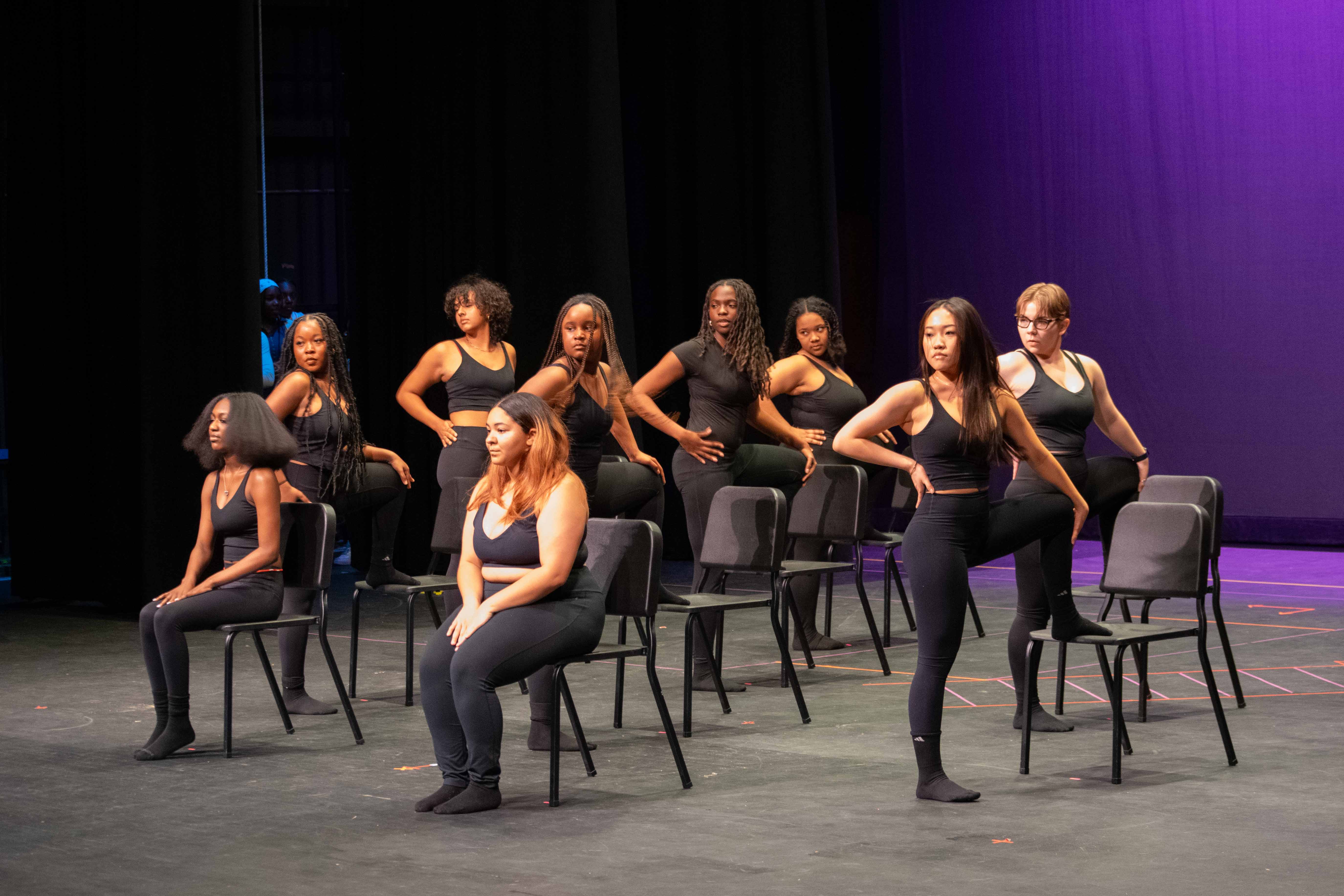
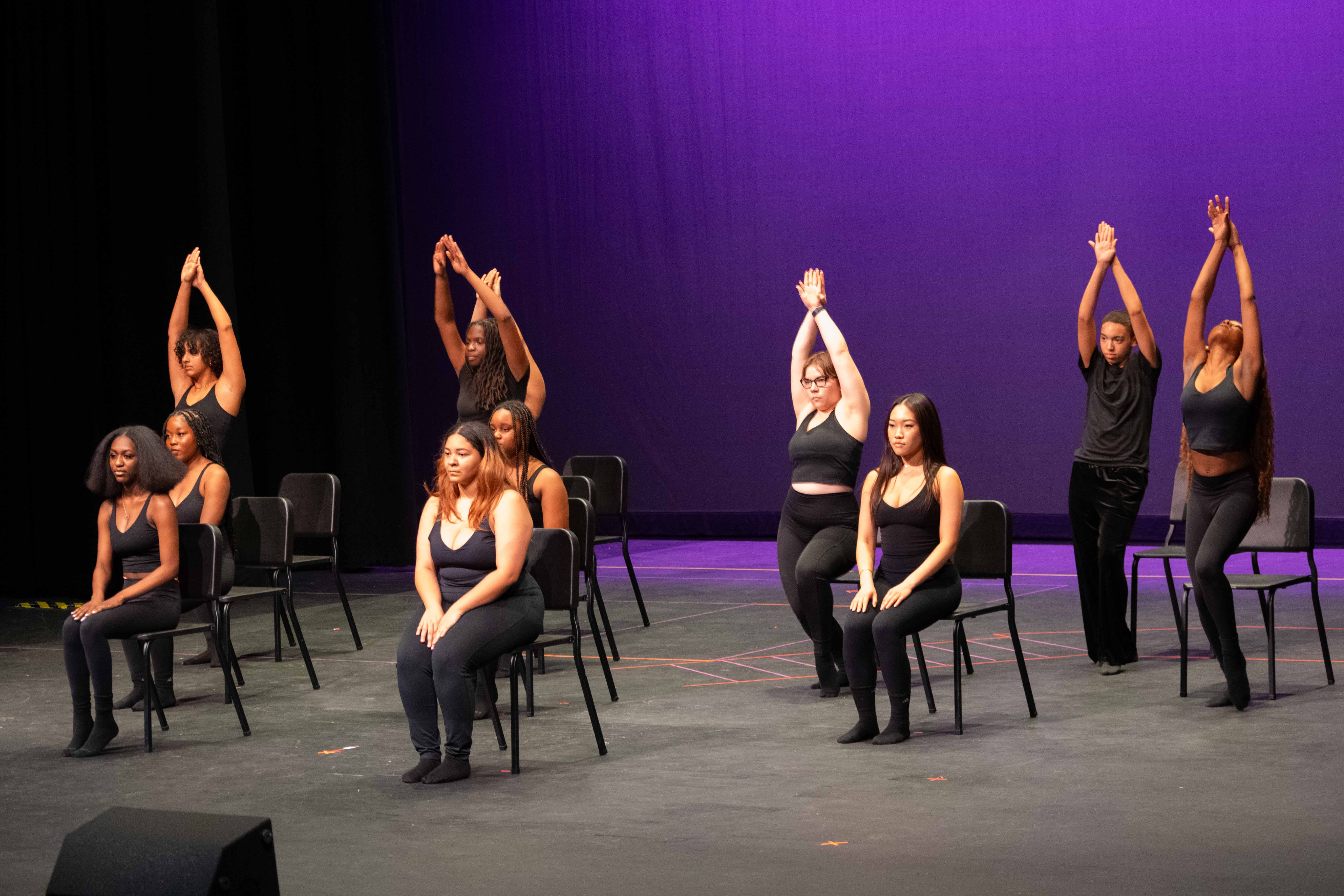
    1. 4th West: Supercell games
      If the company name Supercell does not ring a bell, think Clash of Clans, Hay Day, and Brawl Stars. Just like in Clash of Clans, success here depends on how much you’re willing to invest, except instead of gems, it’s sheer willpower to live with this theme. A Second Beall resident stated, “It is odd to pick a mobile game as a hall theme.” I would have to agree. (I heard the execution was good so 4th West has been saved from last)
    2. 2nd West: 2nd West sports, it’s in the game 

    Uninspired. The buildup of secrecy around this theme made it seem like something big was coming. What was the reason for keeping it under wraps? It’s hard to imagine anyone was going to swoop in and steal sports as a theme.

  • NCSSM Spikeball Is Not For The Faint-Hearted

    NCSSM Spikeball Is Not For The Faint-Hearted

    By Hima Manne, Stentorian Staff Writer

    NCSSM Spikeball is not for the faint-hearted. It’s a high-stakes battle for pride, glory, and satisfaction of proving absolutely no one can beat your superior reflexes–at least until they do, and then you make excuses. 

    There’s an art to this madness, a rhythm that combines the agility of a jungle cat with the competitiveness of a caffeine-fueled teenager. At its core, spikeball is about spiking a ball onto a tiny trampoline with a ferocity that makes it difficult for the opposition to spike it back onto the net within three passes.

    No earlier or later than 9:30 p.m., three spikeball nets are set up on Watts Lawn with dozens of people leaving the Happy Half scene to instead witness spikeball rivalries. For a school that takes pride in its STEM prowess, you wouldn’t think people would be so excited to run around chasing a tiny ball that’s basically trying to outsmart them at every turn. Yet here we are.

    Of course, being a part of this spikeball culture means learning how to navigate the occasional failure with grace–or, at least, with a semi-acceptable excuse. If you miss the ball, it’s not because you’re bad at the game. It’s because “the wind caught it,” or “the net was uneven,” or “I wasn’t ready,” or the classic “my partner didn’t set me up right.” There’s a whole catalog of explanations ready to go at any moment, because no one ever truly misses a spikeball. It’s always the environment conspiring against you.

    Still, for all the sarcasm and the competitive edge, spikeball at NCSSM is the best kind of chaos. There’s something oddly satisfying about diving for a ball that’s already out of reach, or that rare moment when your team pulls off a combo so perfect that the other team can only stand there in awe (or confusion—either works). You bond over the shared frustration of a close game and the memories that come from all the laughter and bruises. Because let’s be real: if you’re playing spikeball and you’re not leaving with at least one new bruise, did you even play?

    At the end of the day, spikeball at NCSSM is more than just a game. It’s an unspoken tradition, a rite of passage, and a chance to momentarily forget about that upcoming test or lab report. Plus, it’s just plain fun, even when you lose. And if you do lose, there’s always the next game. 

    Or a good excuse.

  • Dear Seniors…

    Dear Seniors…

    By Tejasvi Shirolkar, Guest Contributor

    Late campus walks, no longer stressing about grades and walking to Ninth Street every day. Ding, ding, ding! That is the sound of a second-semester senior’s life at NCSSM. 

    As a current junior, I have watched this life from afar; knowing it will be mine next year, but still looking at it wishfully. 

    How Junior Year is Going

    Transitioning from a large, public high school to a smaller one was not an easy decision for me. From taking new, rigorous coursework to watching life pass by without me at my home high school, I was terrified during my first semester at NCSSM. 

    There seemed to be no end at the tunnel; with assignments piling on and winter drifting in, I settled into a familiar routine; study during the week, study during the weekend.

    However, I soon found my own pockets of community within NCSSM. With friends in my hall and classes, I realized that through all the studying, the tight-knit sense of belonging I acquired was what kept every senior going, even during their junior year.

    Dear Seniors

    “Maius Opus Moveo,” or in other words, “Accept the Greater Challenge.” With spring on the way and cap and gown ceremonies near, I would like to send my seniors off with this message: thank you for your guidance, your unwavering support, and your belief. Through you all, I have seen what NCSSM embodies; a small–yet mighty–community of future changemakers.

  • I Love Hopi Hot Beef, and Other Things About My The West! J-Term

    I Love Hopi Hot Beef, and Other Things About My The West! J-Term

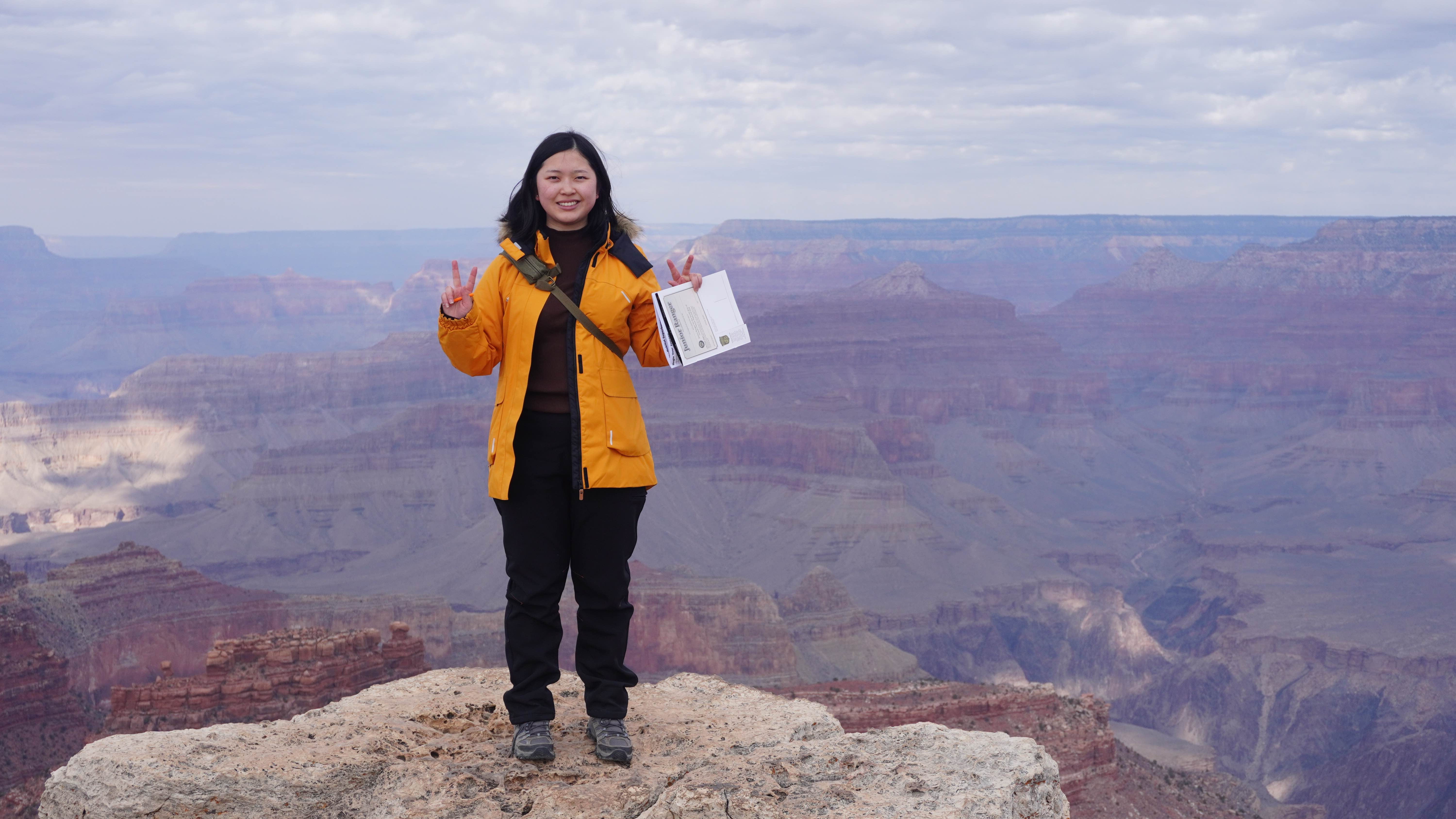
    I became a Junior Ranger of the Grand Canyon South Rim on my trip. Apparently, I am the 5th student to do so in the past 10 years of this trip, according to Dr. Cantrell. (Teresa Fang/The Stentorian)

    By Teresa Fang, Stentorian Editor-in-Chief

    I rarely plan my trips, and I always leave some space in my suitcase. Lack of prior knowledge and lightness are the two patron saints of a good journey, in my opinion. As the saying goes, those who travel with a light load have the best adventures or something like that. “The wealthy travel light,” but in my case I’m wealthy in my immense lack of knowledge, as I looked at the itinerary for my JTerm to Arizona the night before the first flight.

    Since emailing our trip sponsor, Dr. David Cantrell, my reasons for wanting to go on the To The West! JTerm trip in the spring of 2024, it’s come full circle; again a very wealthy bank of memories that reminds me why I like the movie Rango (2011) and the hardy terrain of a cacti-filled desert. In the week traveling from Southern Arizona to the North, I’ve learned so much about the landscapes, but even more about the world. Every museum and interaction with locals is a chance to absorb appreciation and wisdom, just like saguaro being physical forms of spiritual ancestors of the native tribal people.

    Through that week in Arizona, here are a few things I’ve taken away, and that I continue to remind myself.

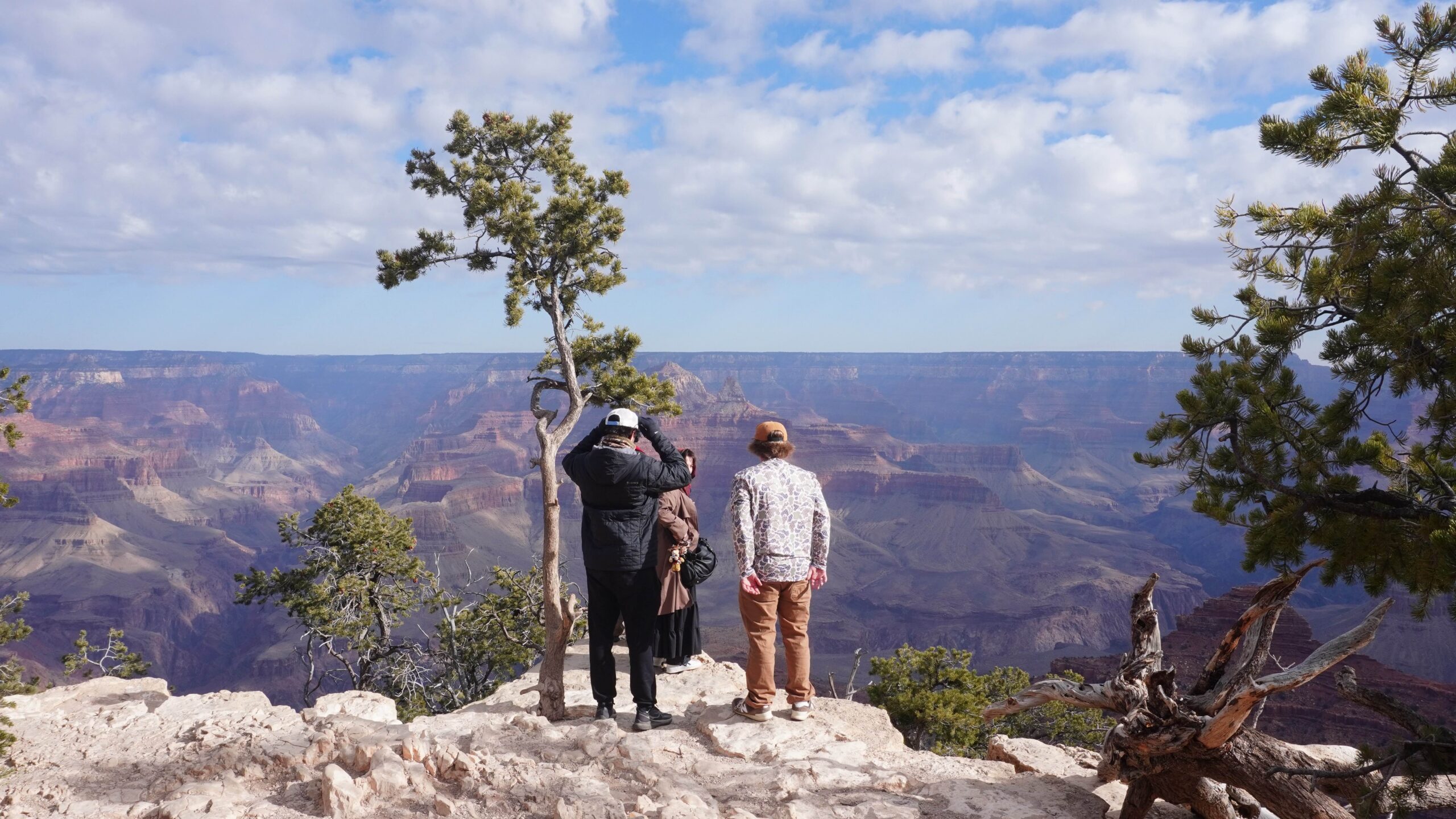
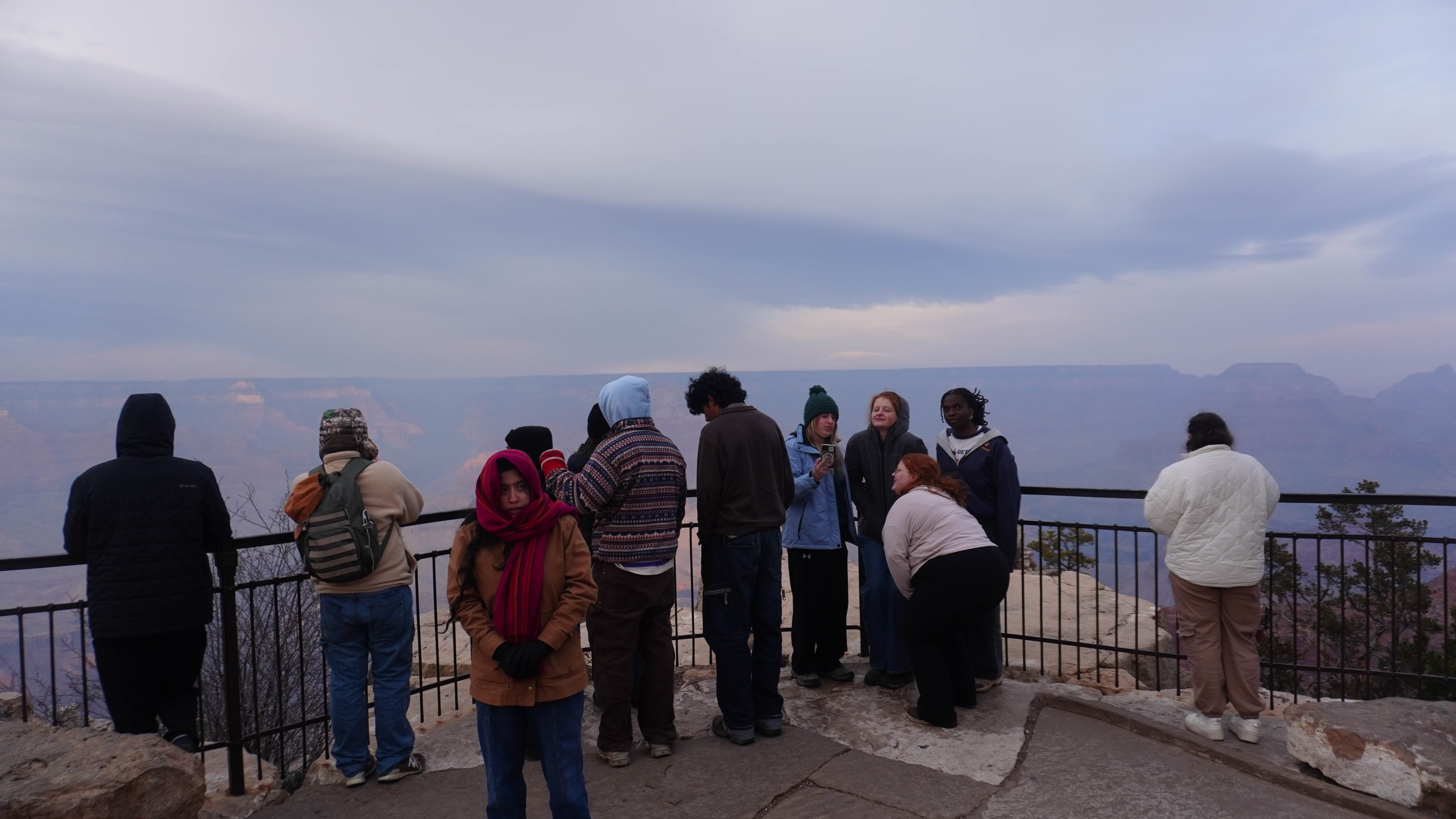
    The group takes in the view at the South Rim of the Grand Canyon. (Teresa Fang/The Stentorian)

    Appreciating little bits of happiness

    On the first day, I got lost—mentally, at least. Waking up at 3 a.m. is not for the weak, and as I boarded the shuttle at the Phoenix airport, watching the barren, beige-coded hills felt so out of pace with my life in sheltered suburbia—the world of neat lawns and nice cars, where grass was the shade of emeralds and Sprite, where political posters sprinkled every intersection. Phoenix, Bisbee, Flagstaff, the Hopi reservation—each place, a stark contrast.

    At the Hopi reservation, I kneeled in a millions-year-old bed of shells overlooking a huge limestone canyon. Our tour guide told us to express our thanks to the earth. I’m not religious or spiritual, but in that moment, I felt incredibly grateful. It’s amazing to think this Earth is the same Earth that everything I have seen in museums has also lived on and interacted with. It’s amazing to see exactly how the Hopi ancestors interpreted and interacted with this Earth (and the stars) on this land, especially through my own eyes. This firsthand experience has given me another perspective on what it means to live in the now—with appreciation and cautiousness of the past.

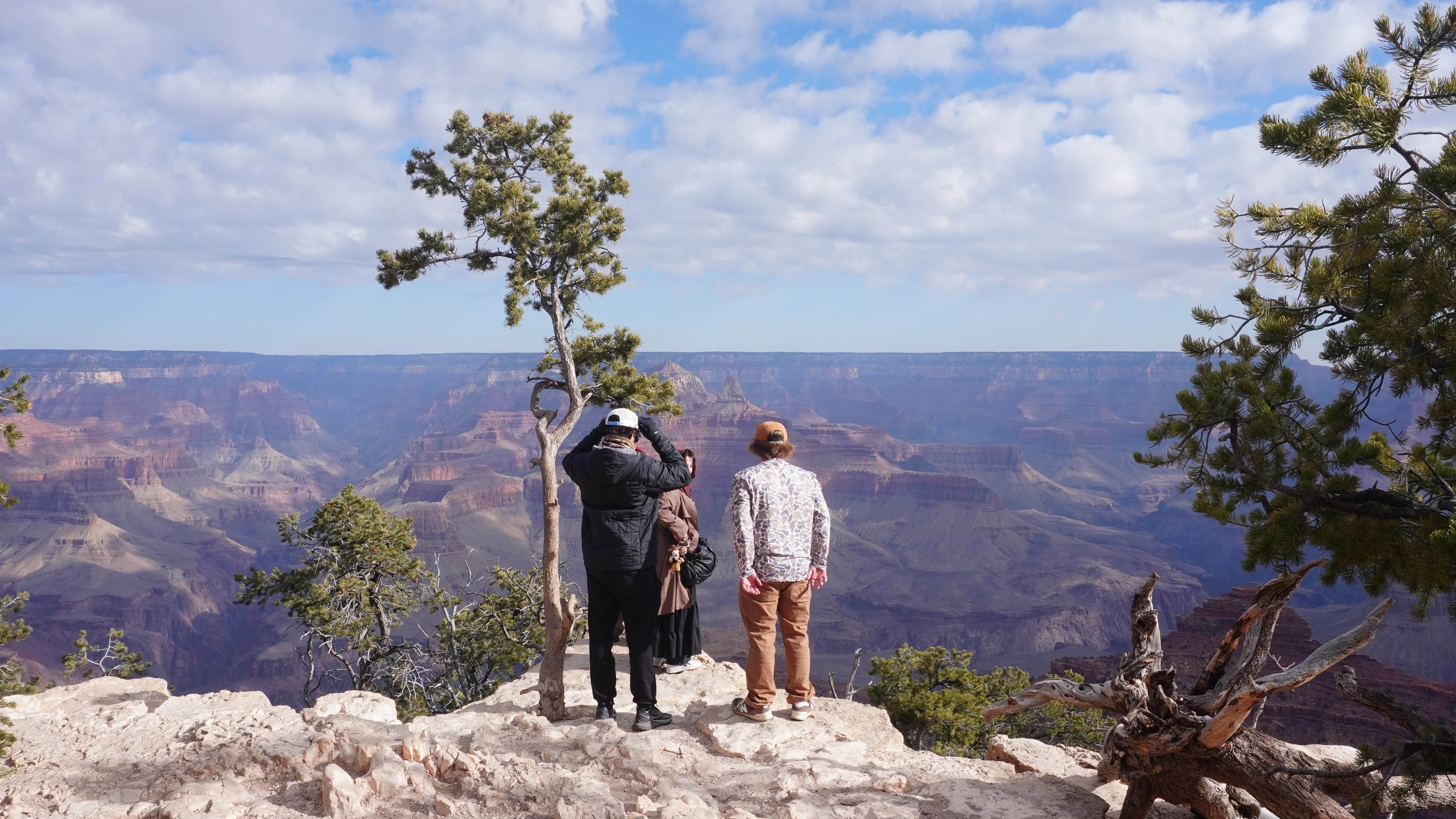
    Being very careful at the Grand Canyon. (Teresa Fang/The Stentorian)

    Perseverance takes many forms

    Somewhere between tumbling over rocks at Picacho Peak and getting lost at the Arizona-Sonora Desert Museum, I realized something: nature keeps moving forward, with or without me. The saguaros at Saguaro National Park, towering and ancient, continue to stand tall. The indigenous stories and artifacts at the Heard Museum are preserved and shared, even as modern life moves on. In Bisbee, a town full of cowboys and artists, the people seemed frozen in a perpetual, quiet celebration of life, adapting the past into a present that felt both nostalgic and brand-new. Just ask Anisa Hasanaj ‘25 about the psychic lady who foretold her “strong bloodline.”

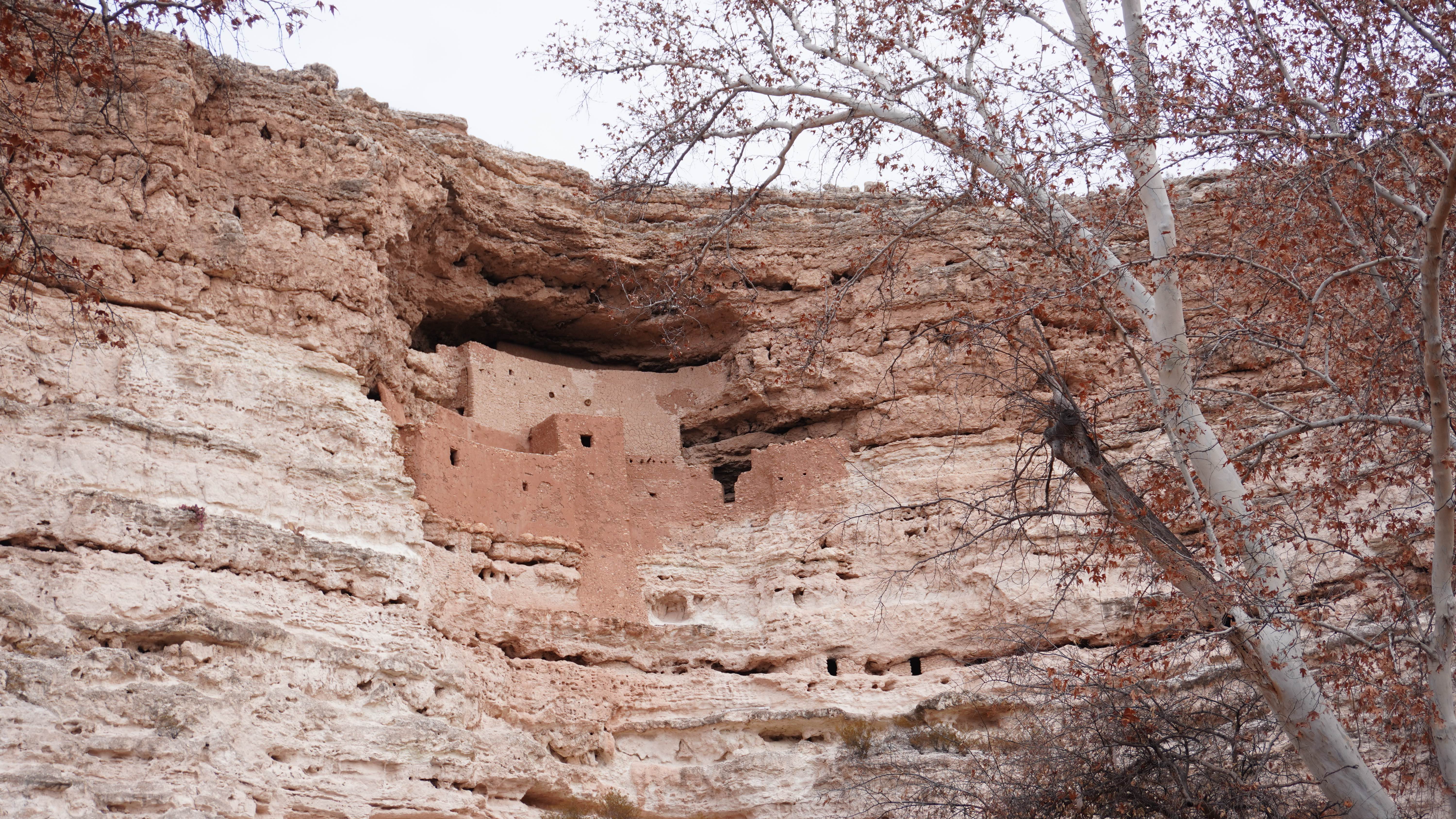
    And in my own way, I was moving forward, too. At Montezuma Castle, I stared up at the five-story cliff dwelling built by the Sinagua people. It sat in the cliff above me, precarious yet permanent. What was the point of living in the cliffs? The structure, facing south, provided warmth in the winter and coolness in the summer. The elevation protected people from annual flooding. But I realized maybe I didn’t need to focus on why things just are—but instead on the lifestyle they created for the people living there.

    Montezuma Castle cliff dwellings. (Teresa Fang/The Stentorian)

    Stop looking for “the point” all the time

    On day five, we visited the Museum of Northern Arizona. The tour guide was passionate but had a voice that could put even the most enthusiastic historian to sleep. The poet who wrote us custom pieces delivered one that was painfully generic, even though I had specifically asked for something about the evolution of forgetfulness and acceptance. But maybe that was the point—sometimes, the journey matters more than the conclusion.

    At the Grand Canyon, I took the Junior Ranger oath. “Don’t feed the squirrels” was the only part I really remembered, but in a way, that summed it all up. Maybe the awe of the canyon, vast and unchanging, wasn’t meant to provide some grand revelation. Maybe I didn’t need to extract meaning from everything—I could just let it be.

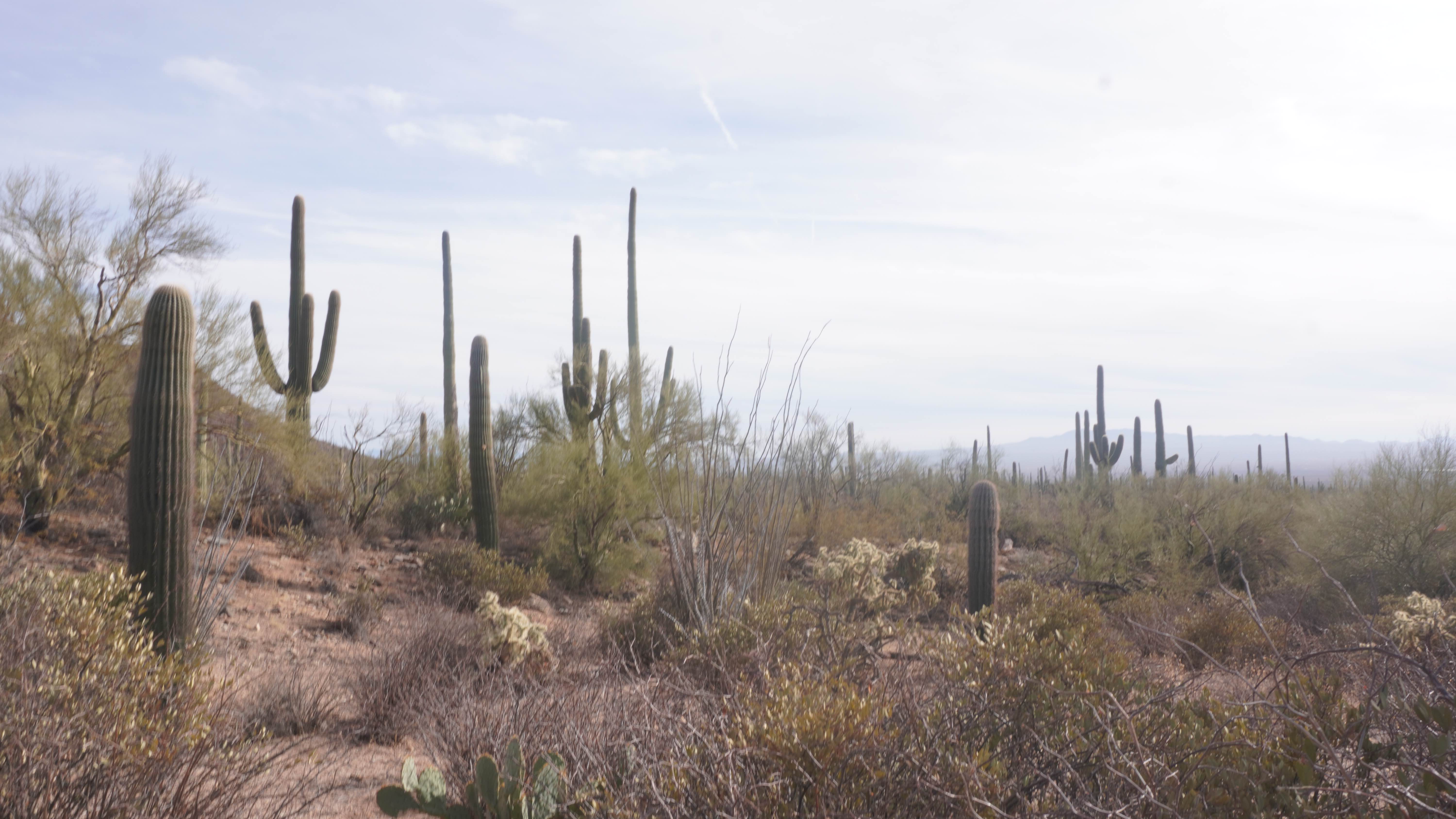
    Saguaro National Park. (Teresa Fang/The Stentorian)

    Things go on

    Through writing this, I may have admitted publicly that I eat a lot (big backing had to be an obligation before it became a choice, alright). But my greatest discovery of the trip wasn’t an ancient artifact or a philosophical truth—it was Hopi Hot Beef. Fry bread, beef, a dish so good that it earned my eternal love and gratitude. Thank you, Hopi Nation. Thank you, Navajo Nation. Thank you, Arizona. And most of all, thank you Dr. Cantrell, Mr. Chris Thomas, Ms. Michelle Brenner, NCSSM Foundation, and sponsors for letting me go on such an adventure.

    Things go on. My Arizona J-Term has ended, but its memories continue etched into my notes, my mind, and now, here. And I will continue, too, maybe with a slightly fuller stomach, a slightly fuller suitcase, and a wealth of stories that don’t always need a point.

  • In Photos: Africa Fest 2025

    In Photos: Africa Fest 2025

    Photos By Louisa Weinard, Stentorian Photographer

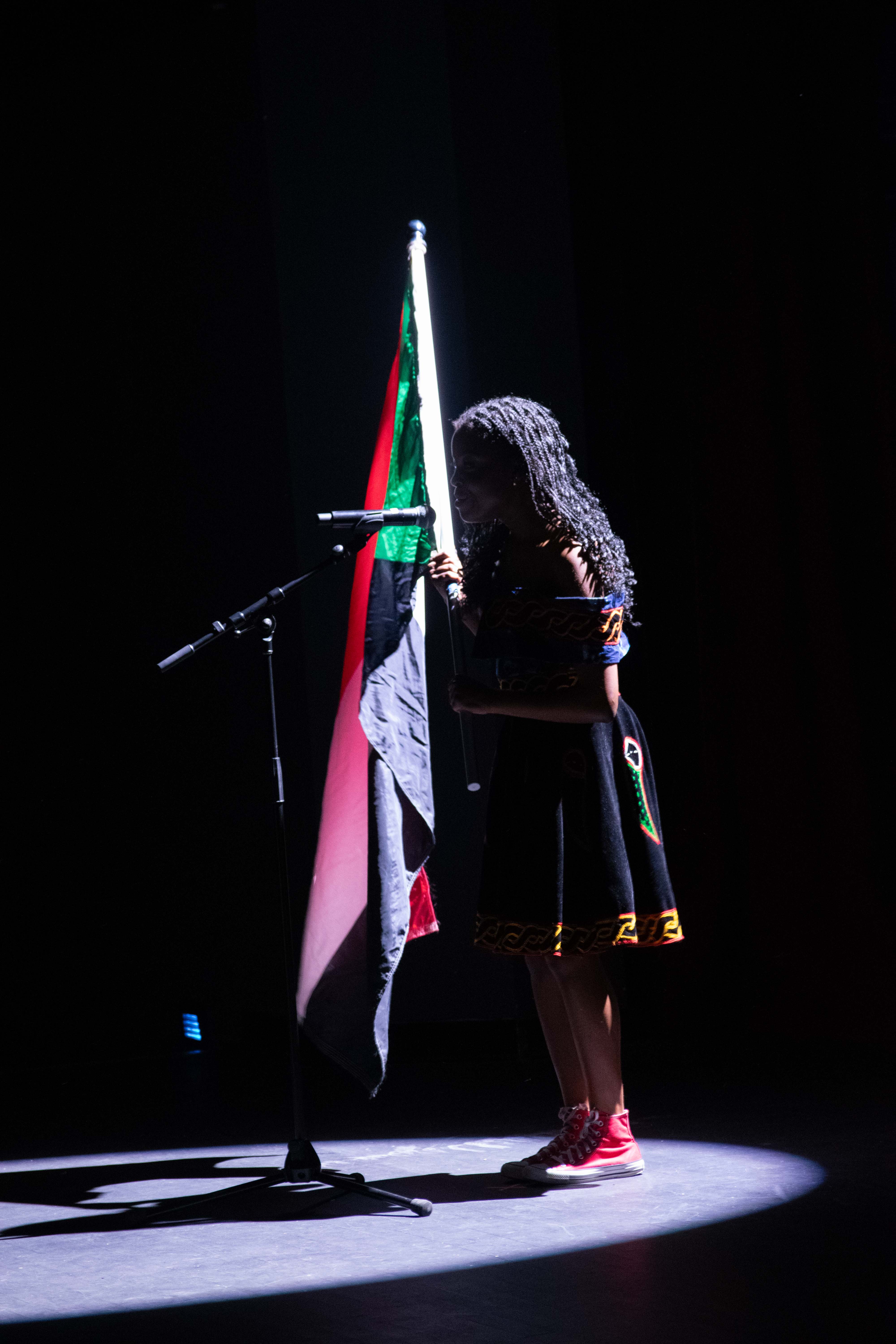
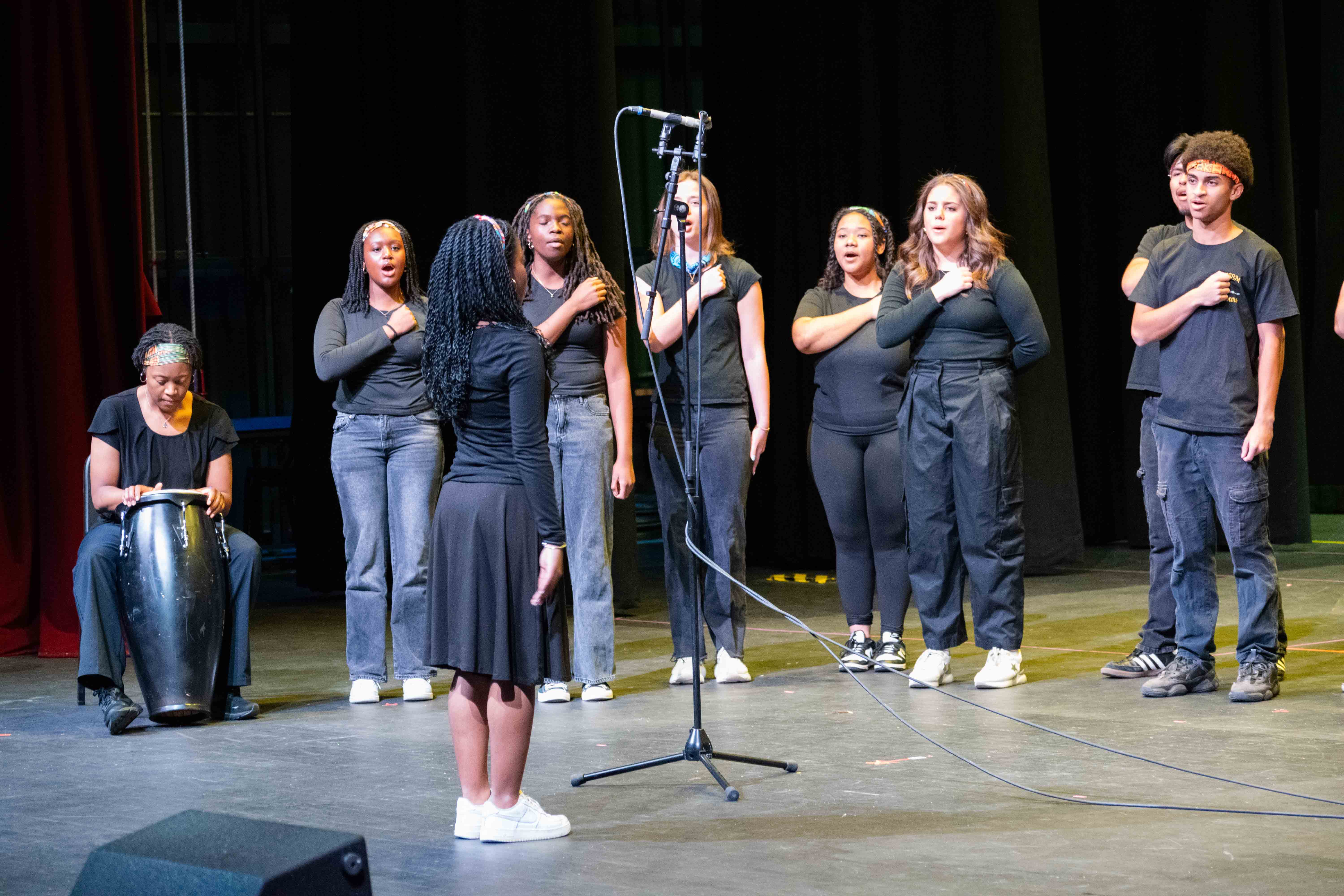
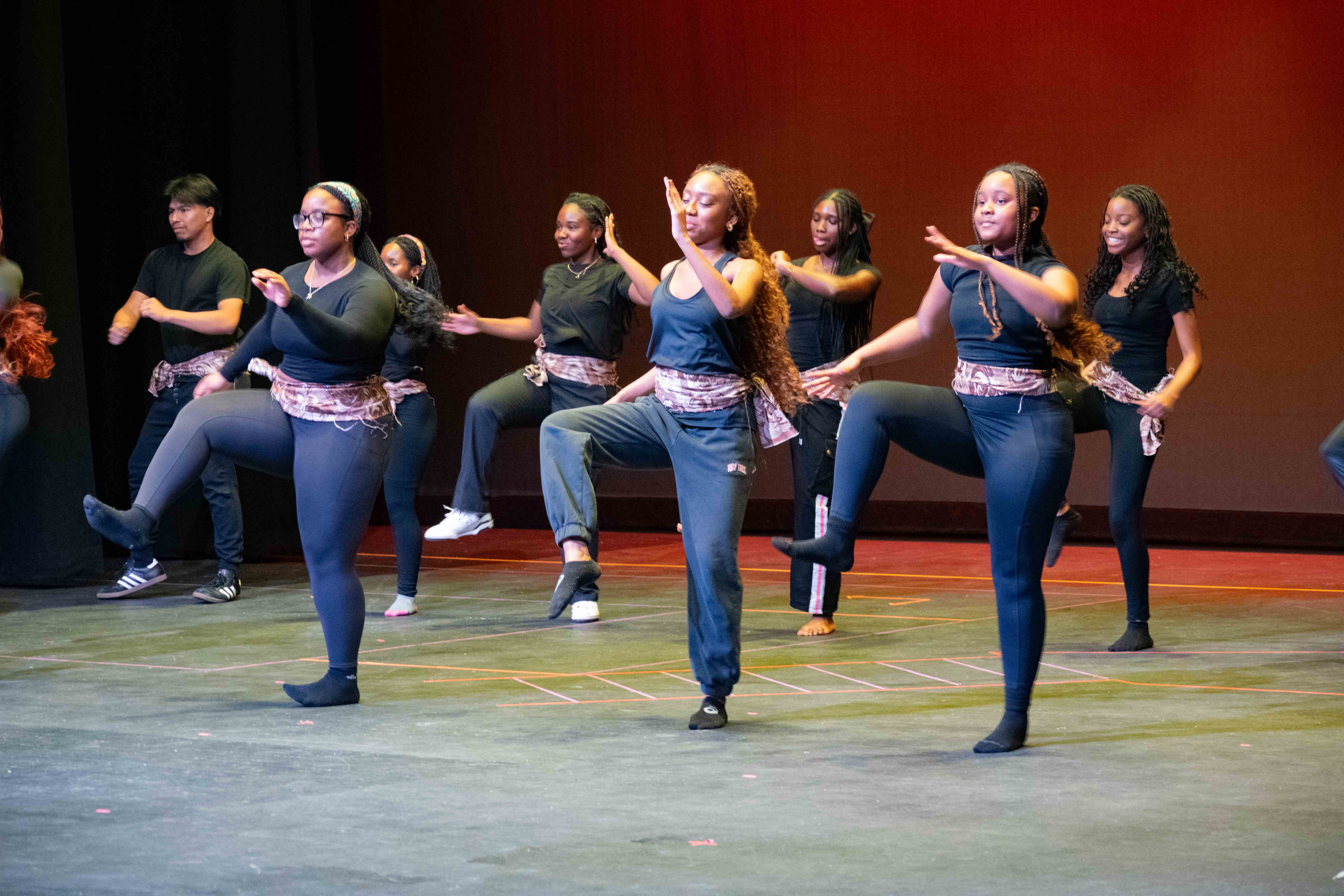
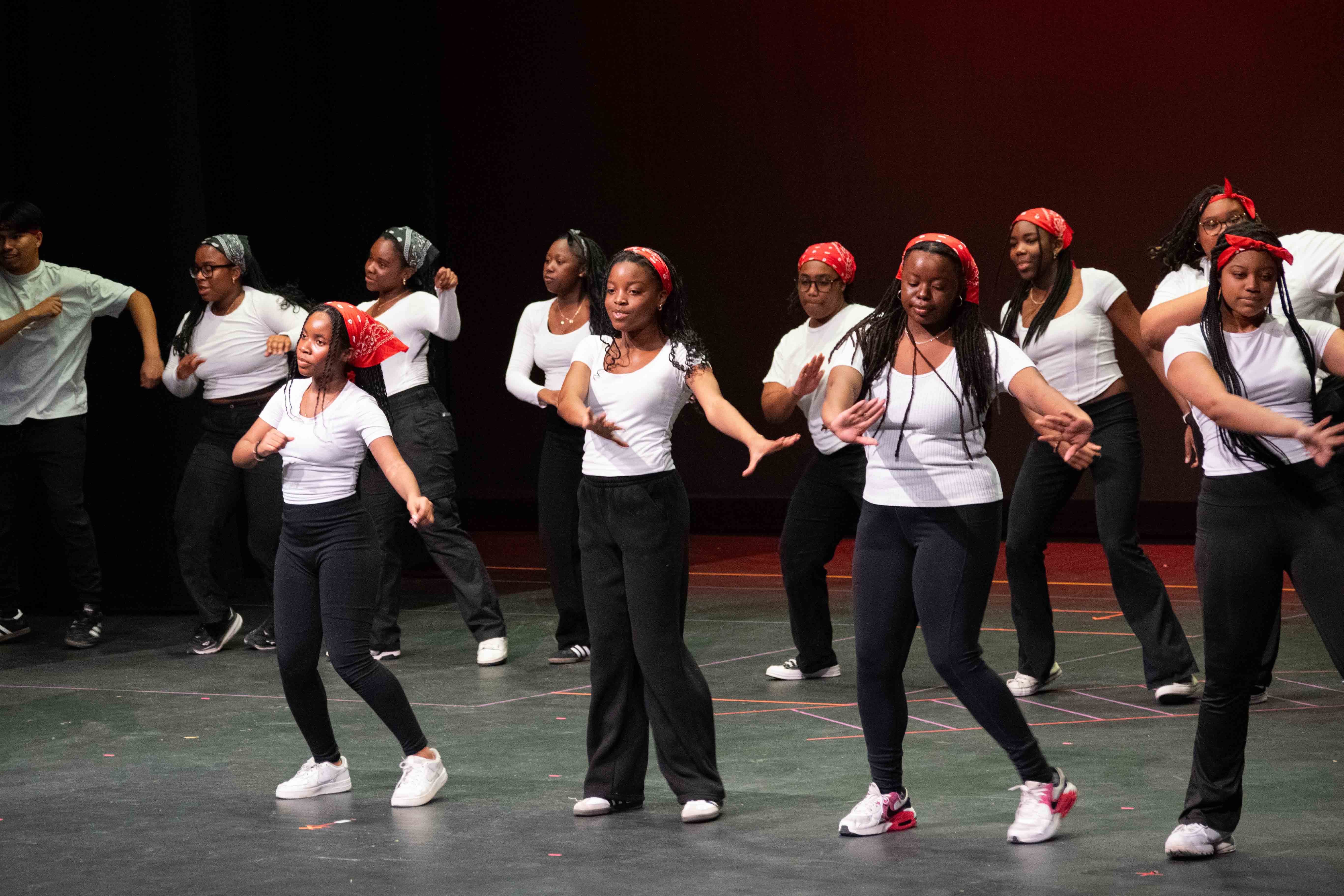
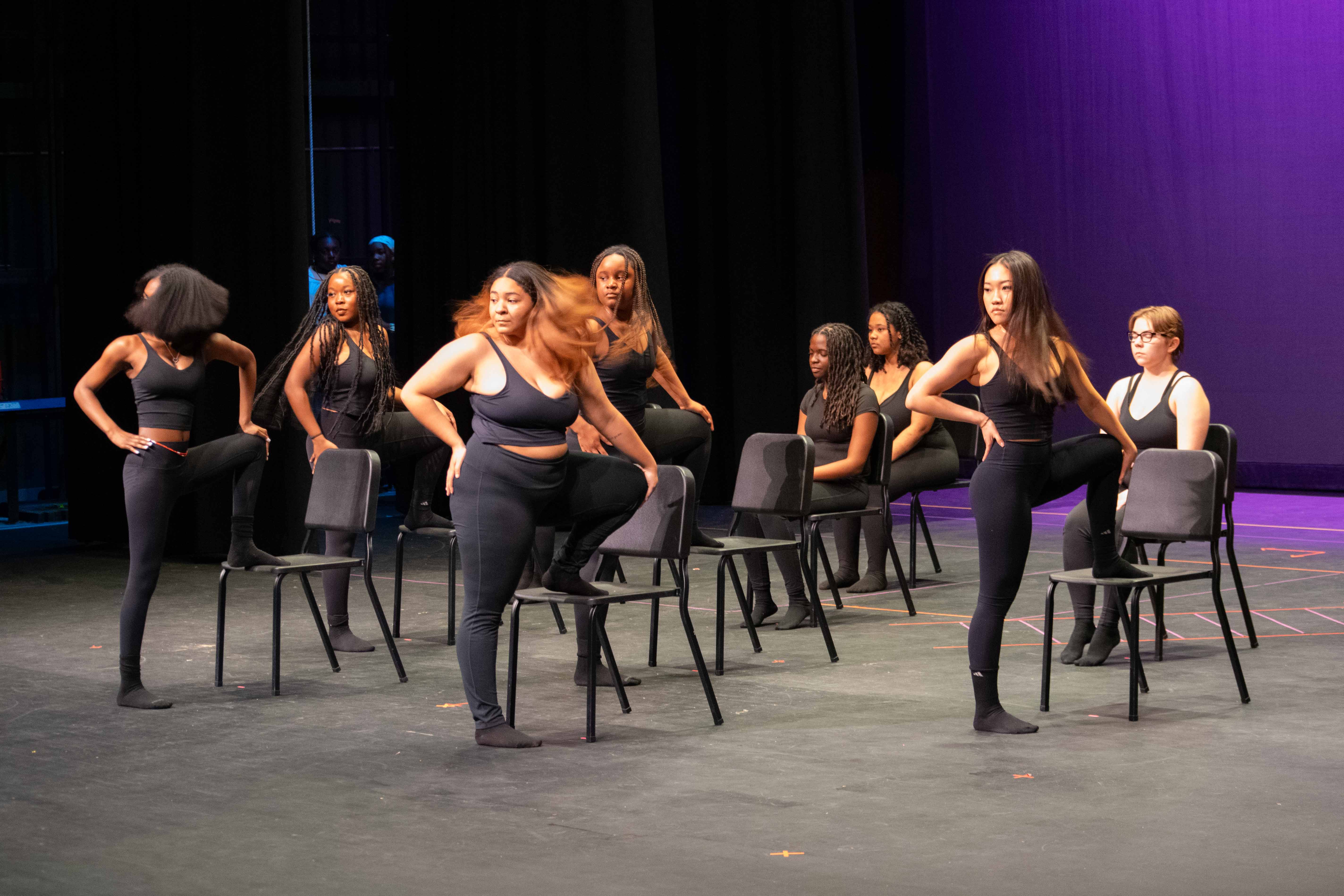
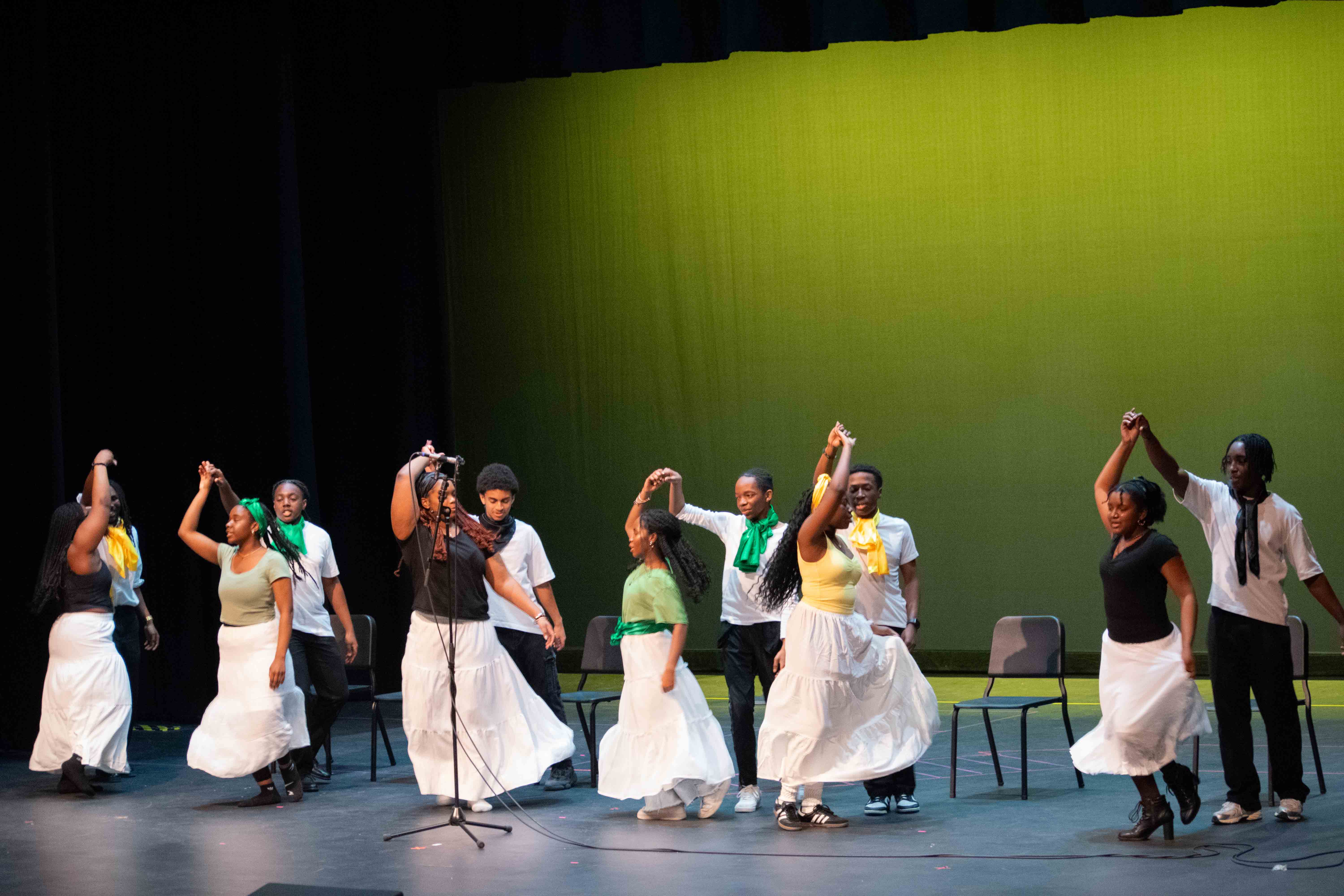
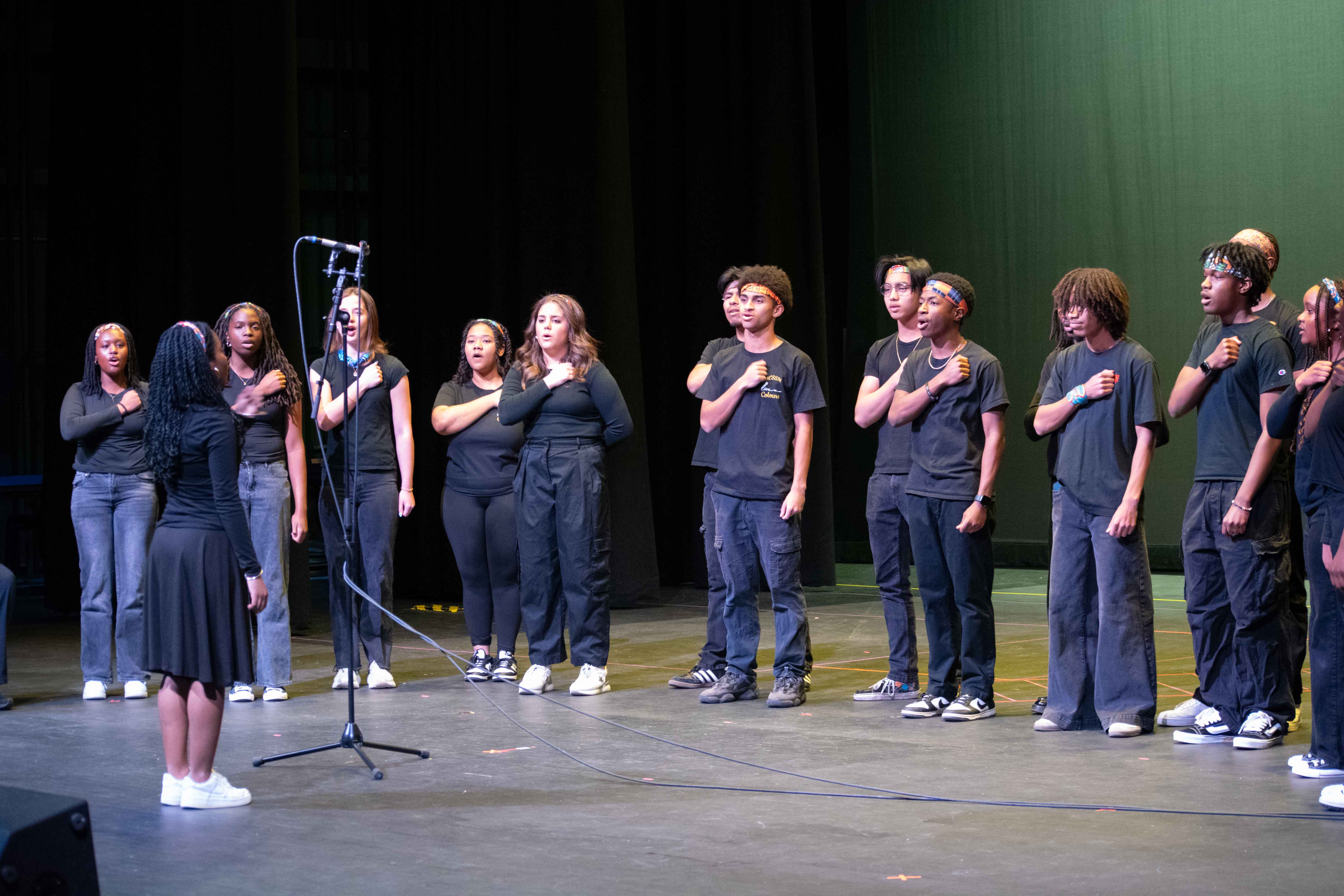
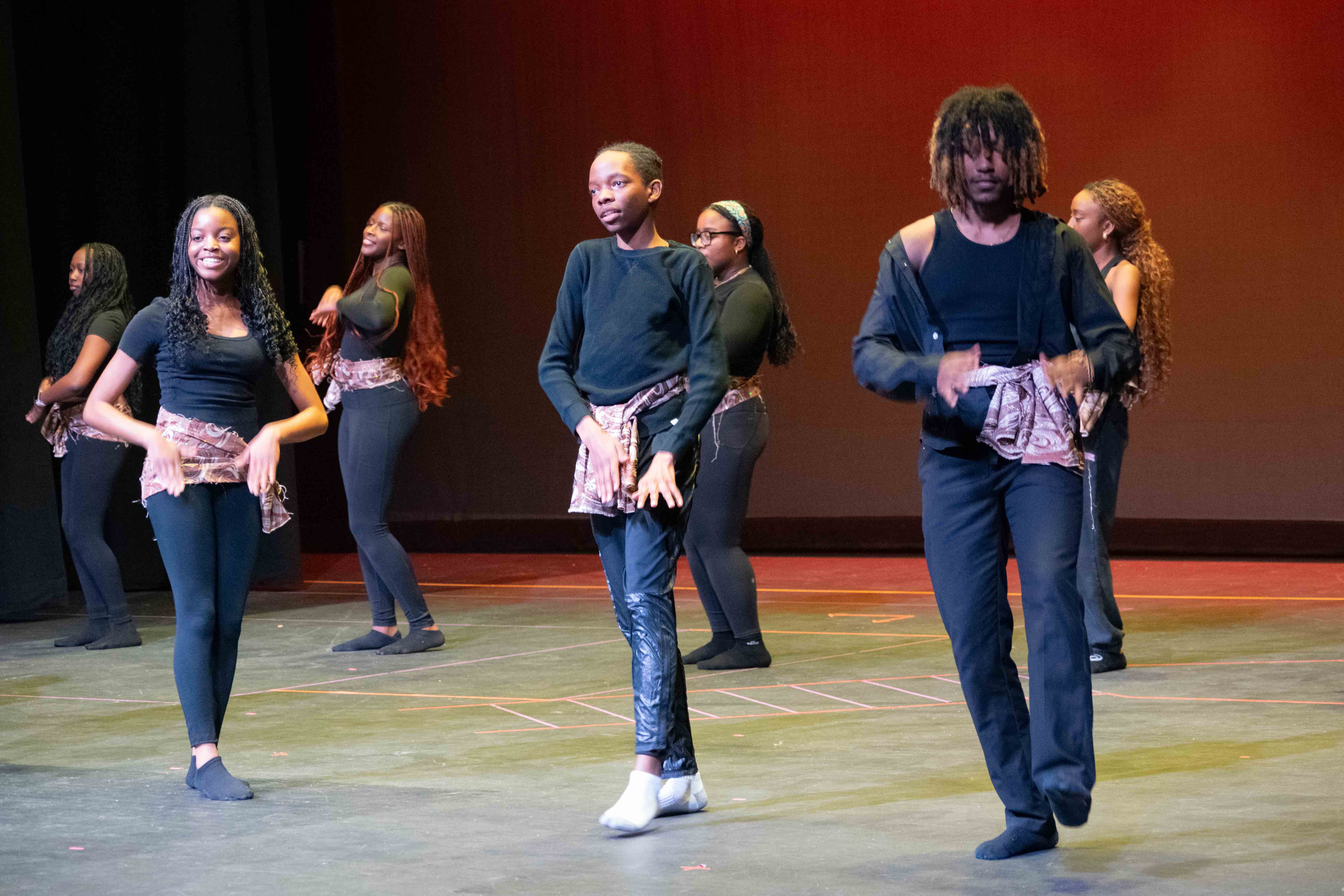
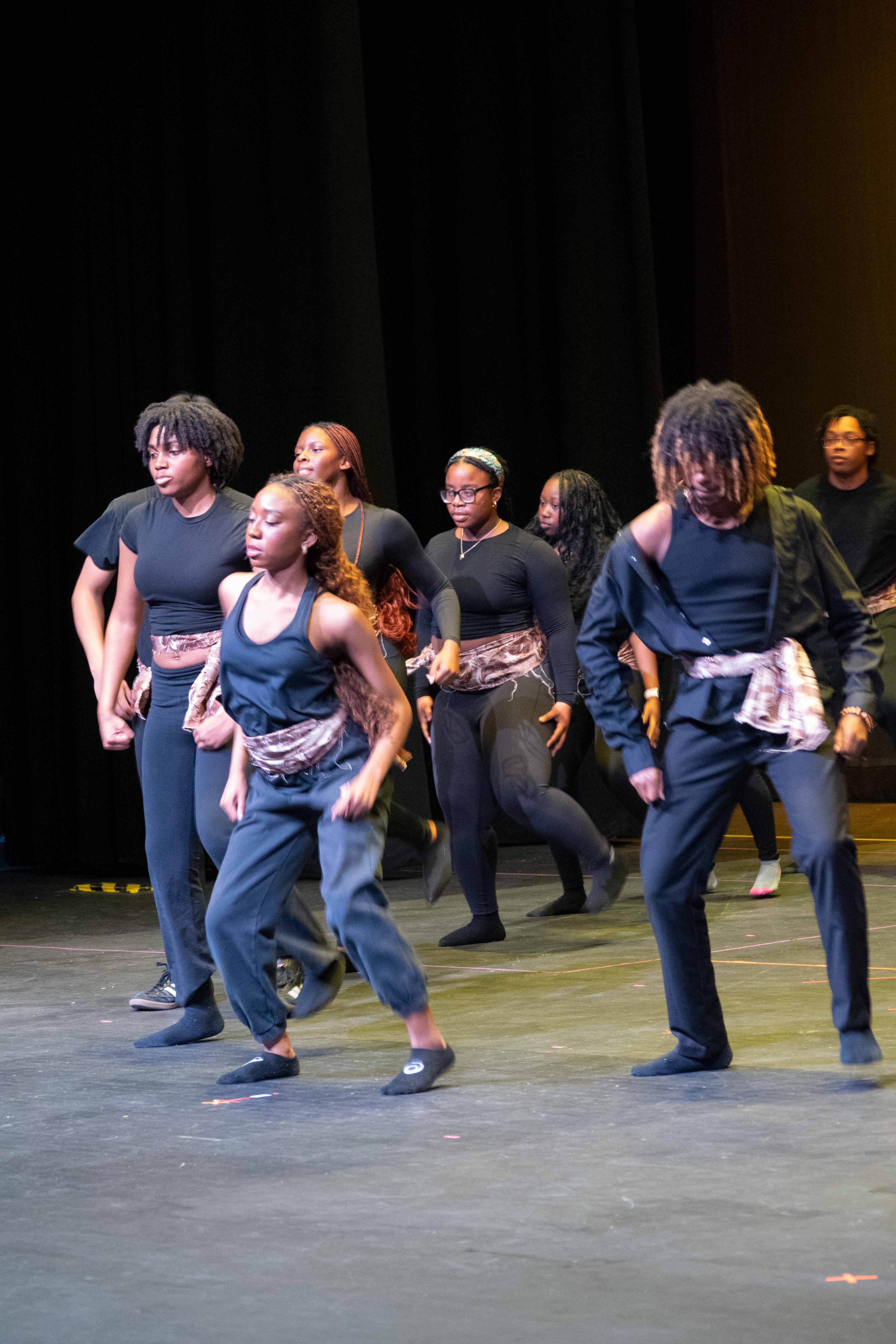
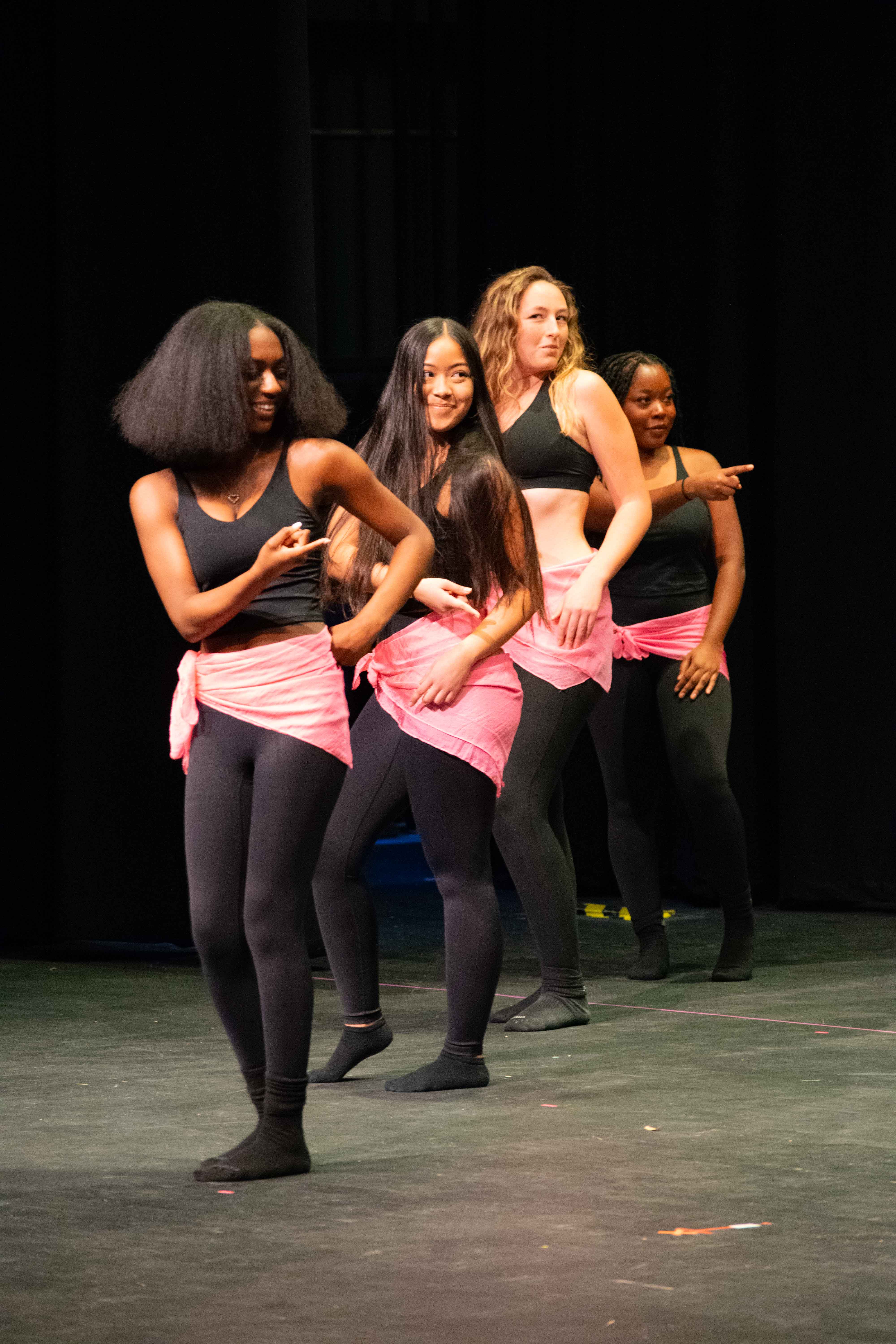
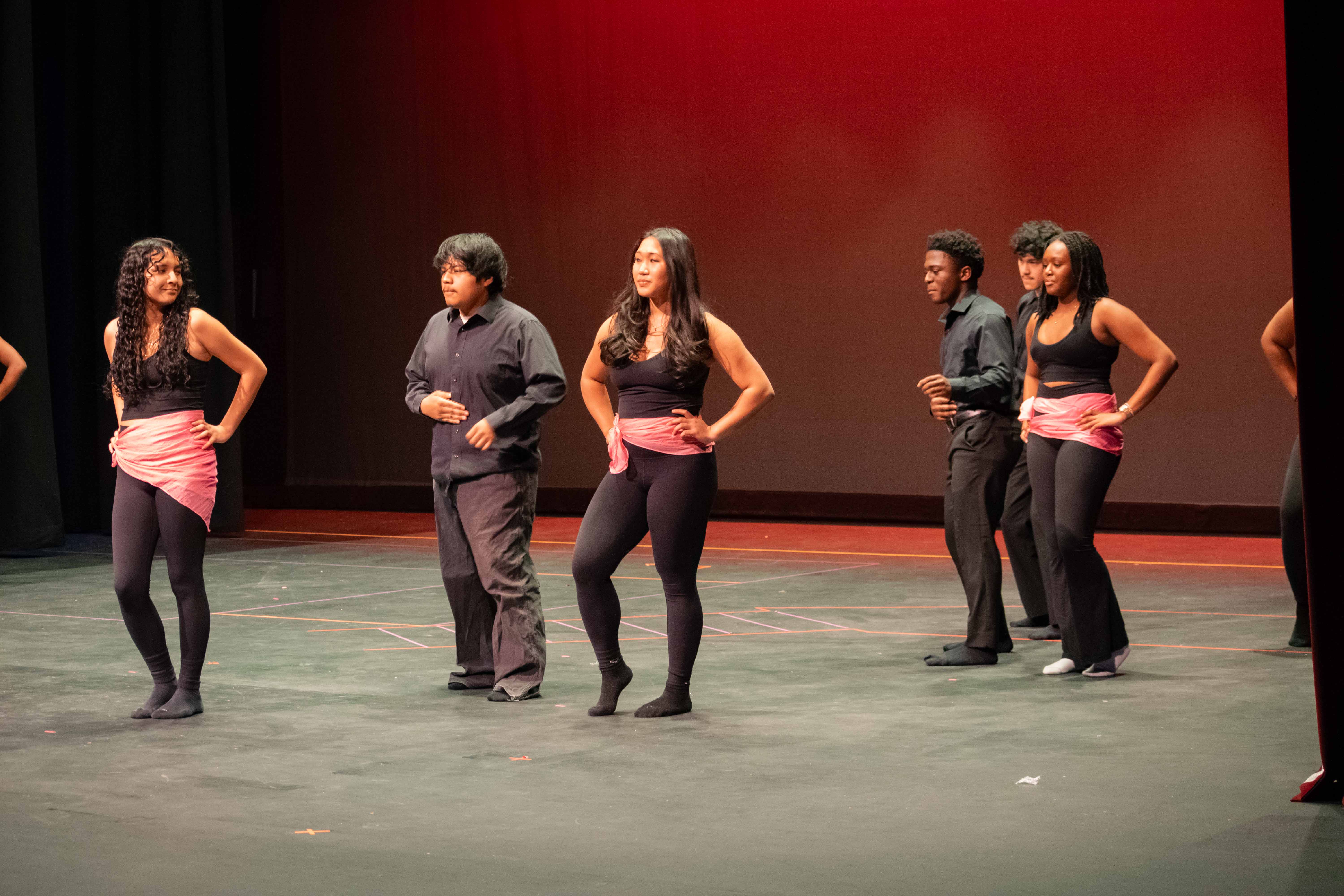
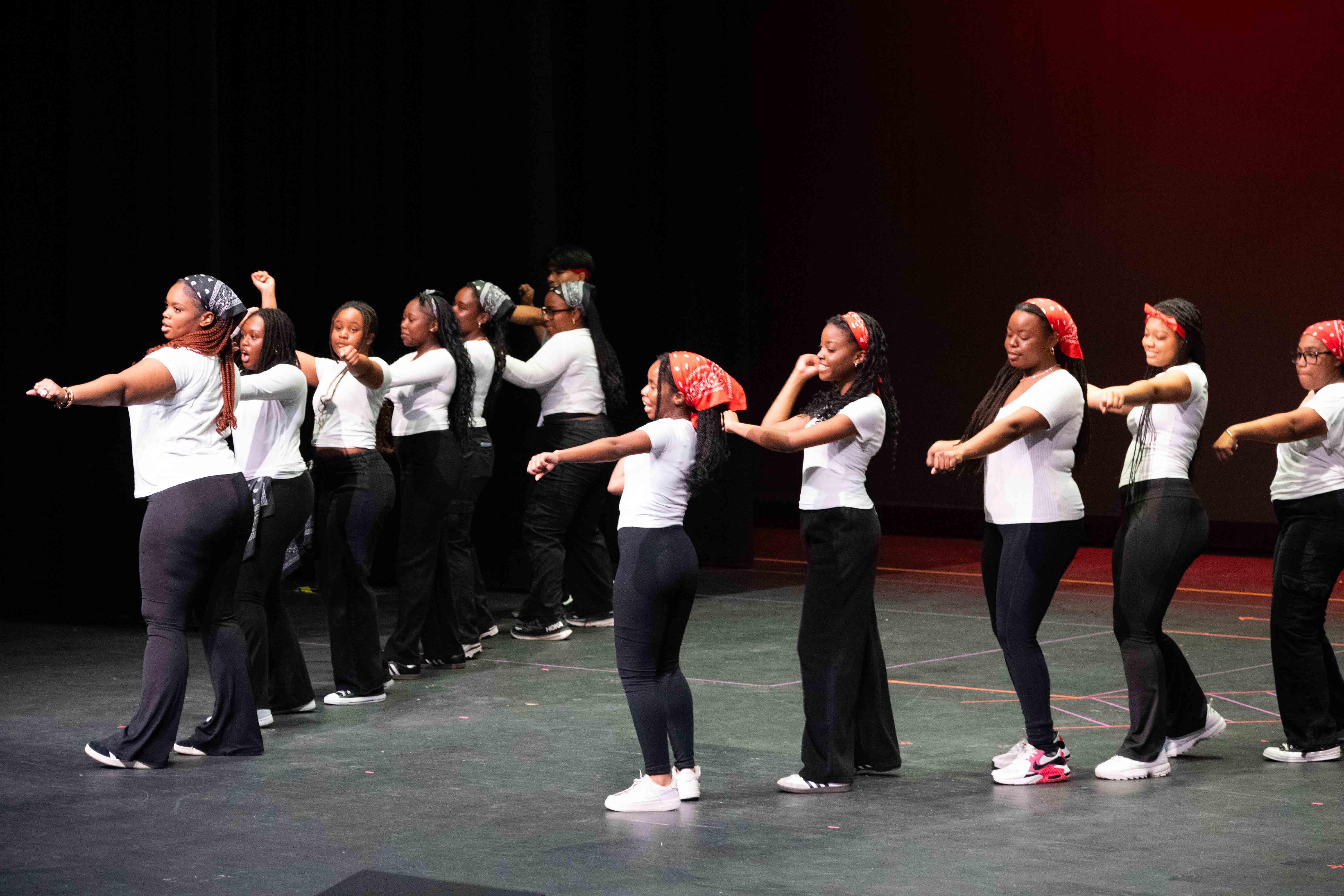
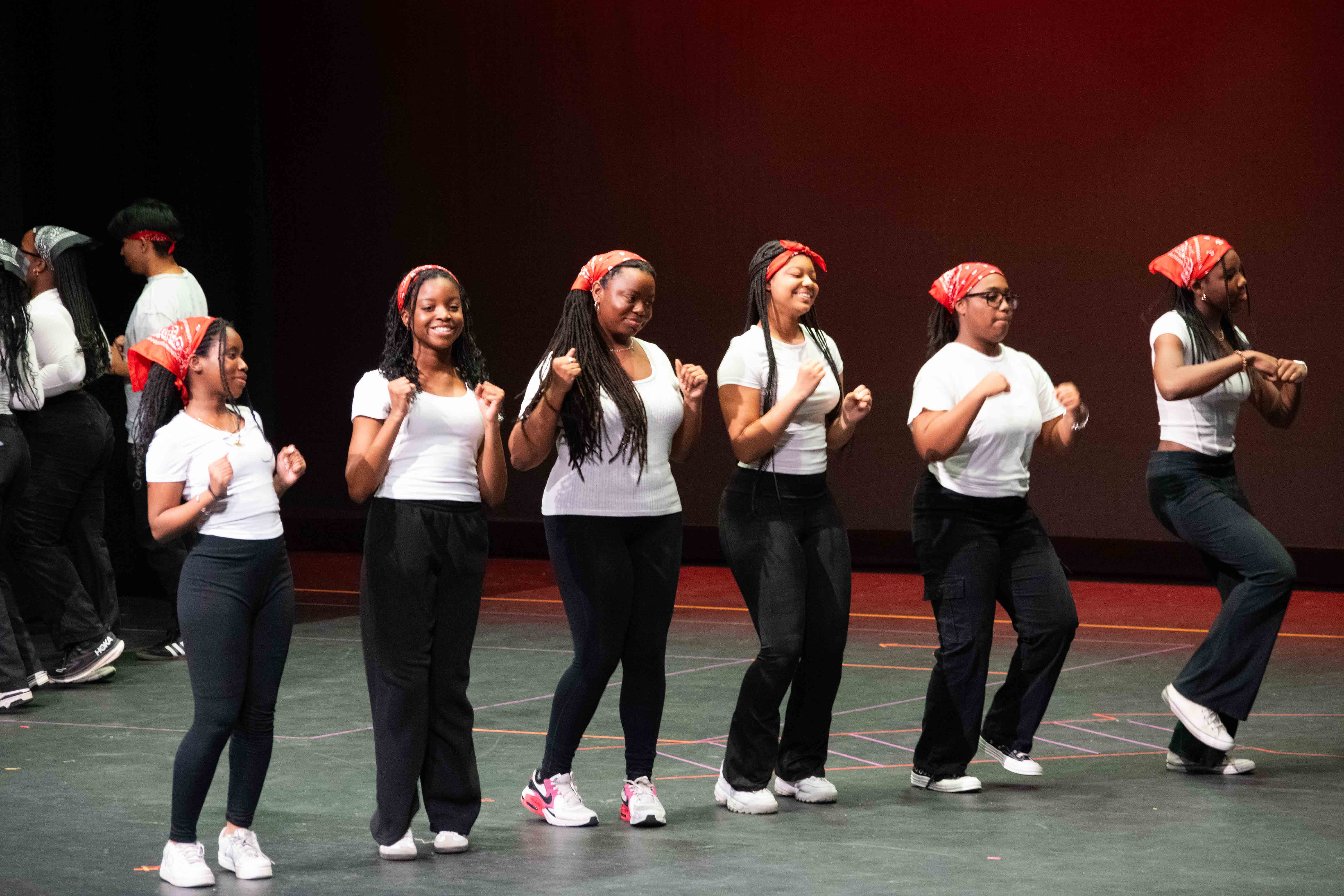
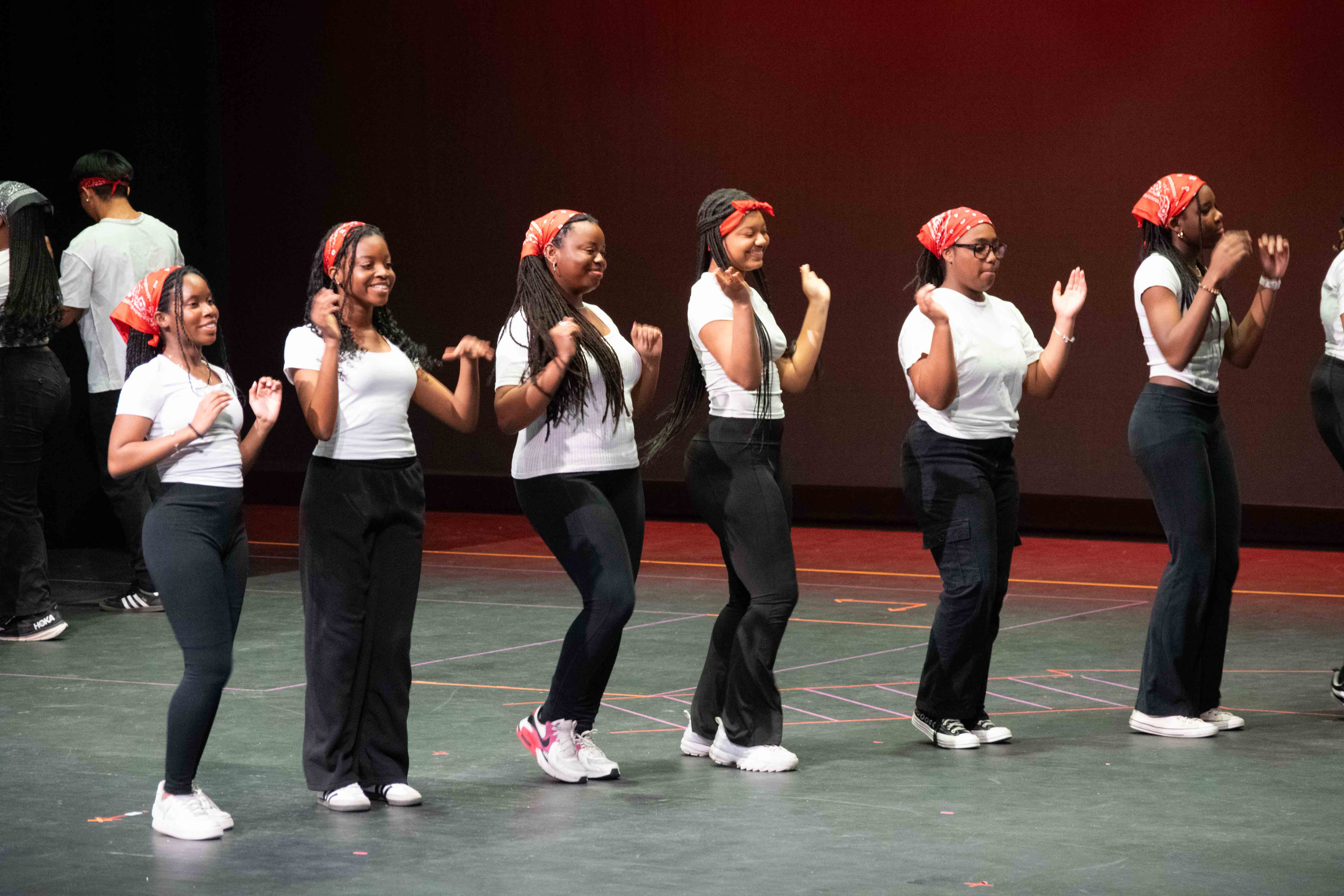
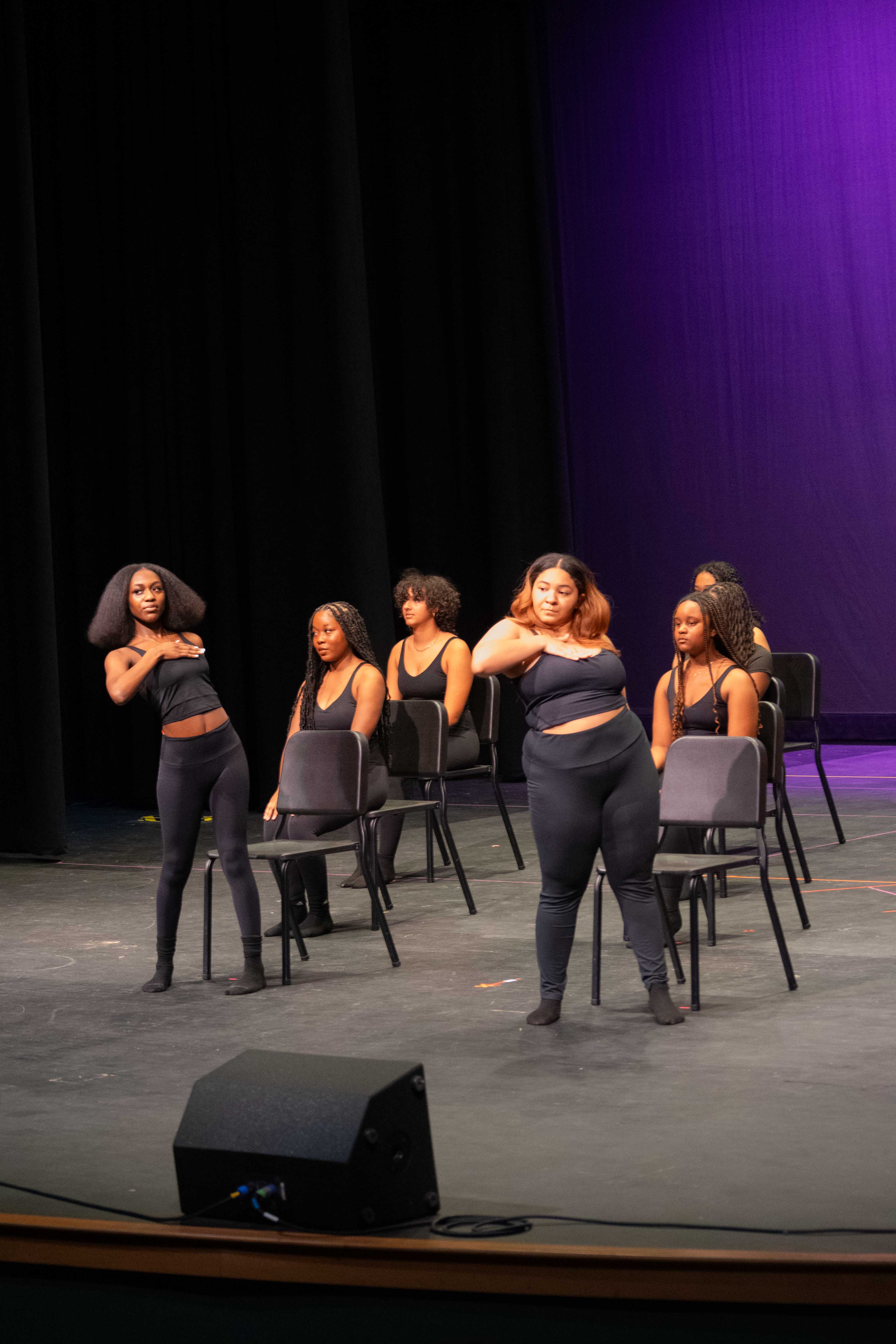
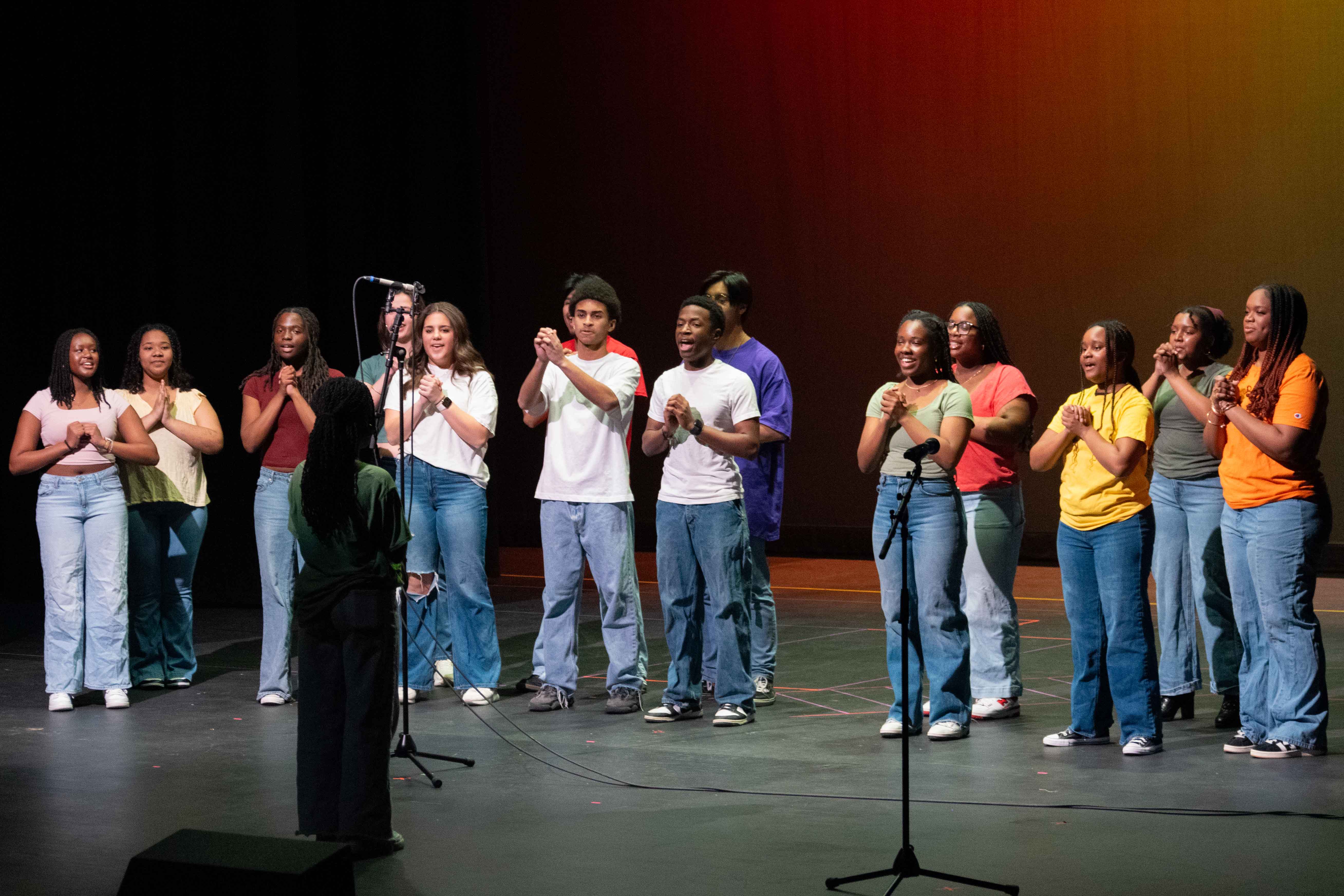
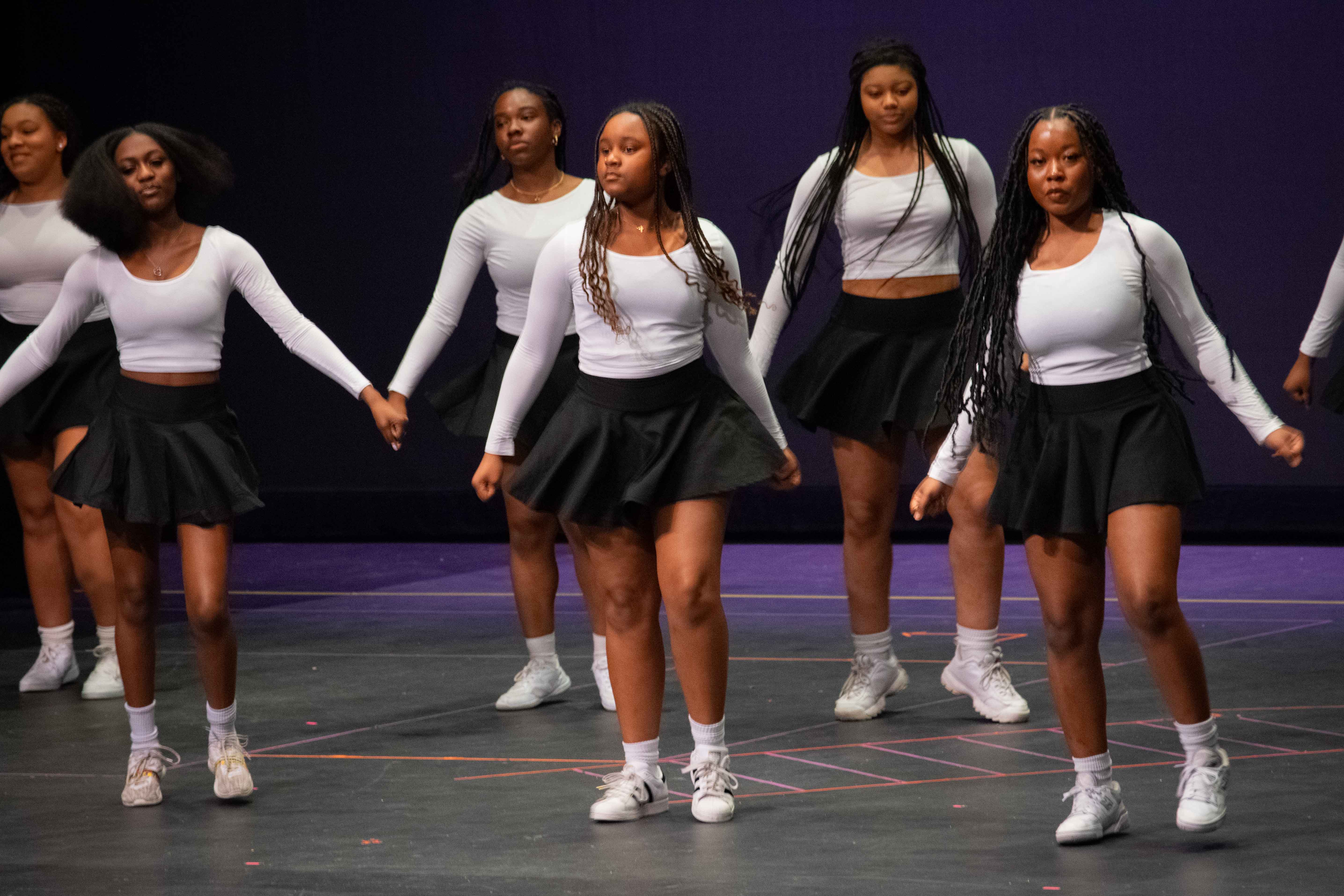
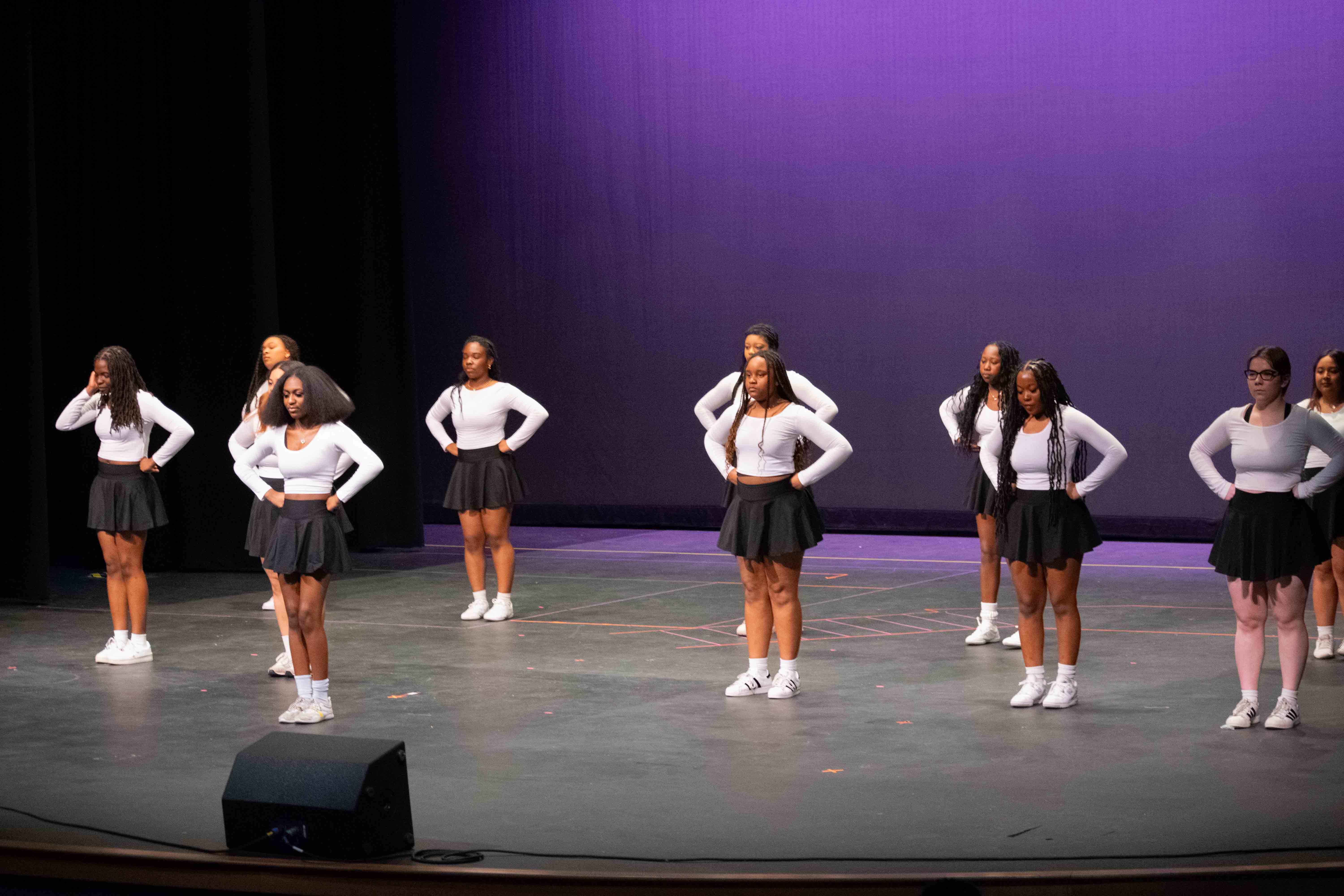
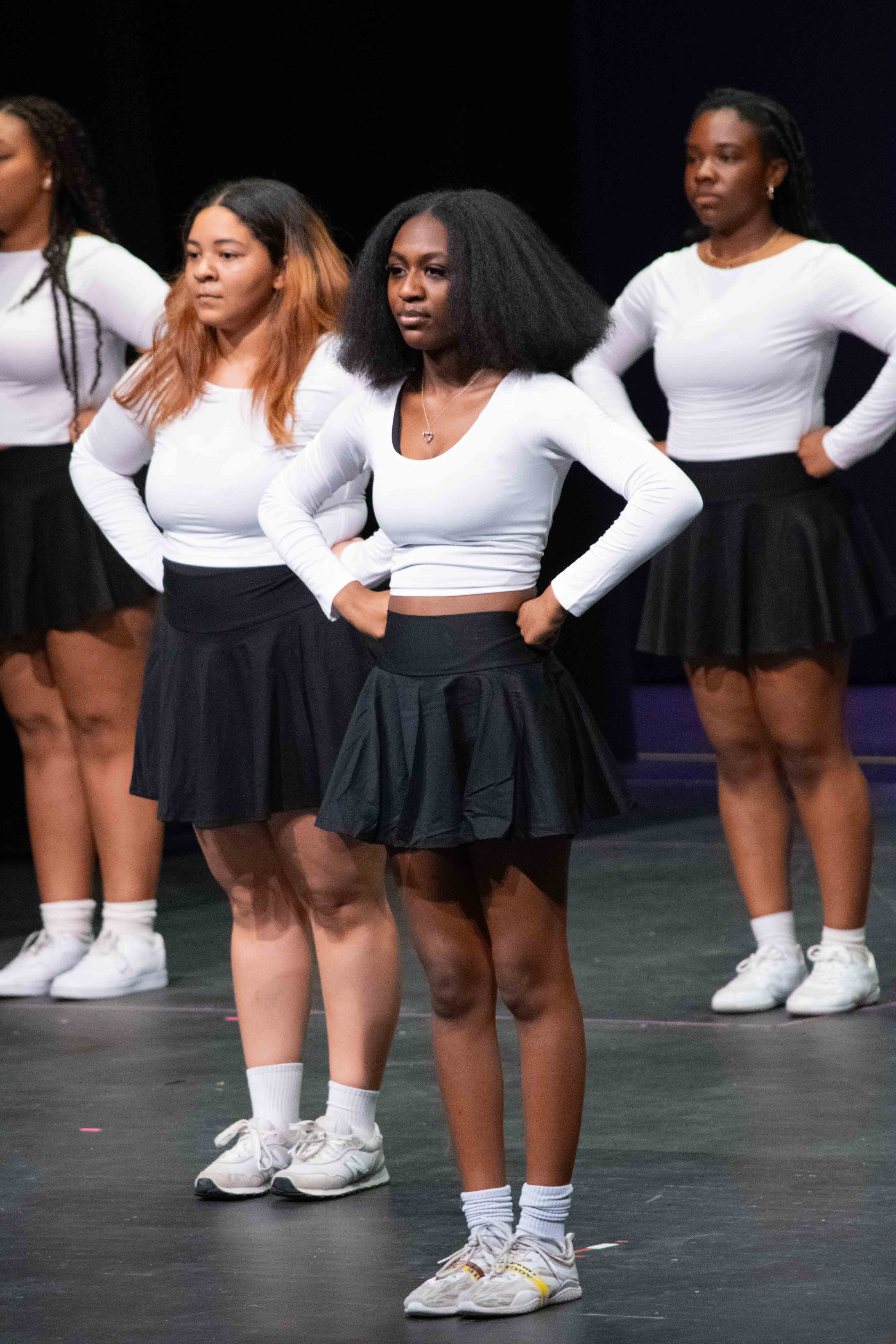
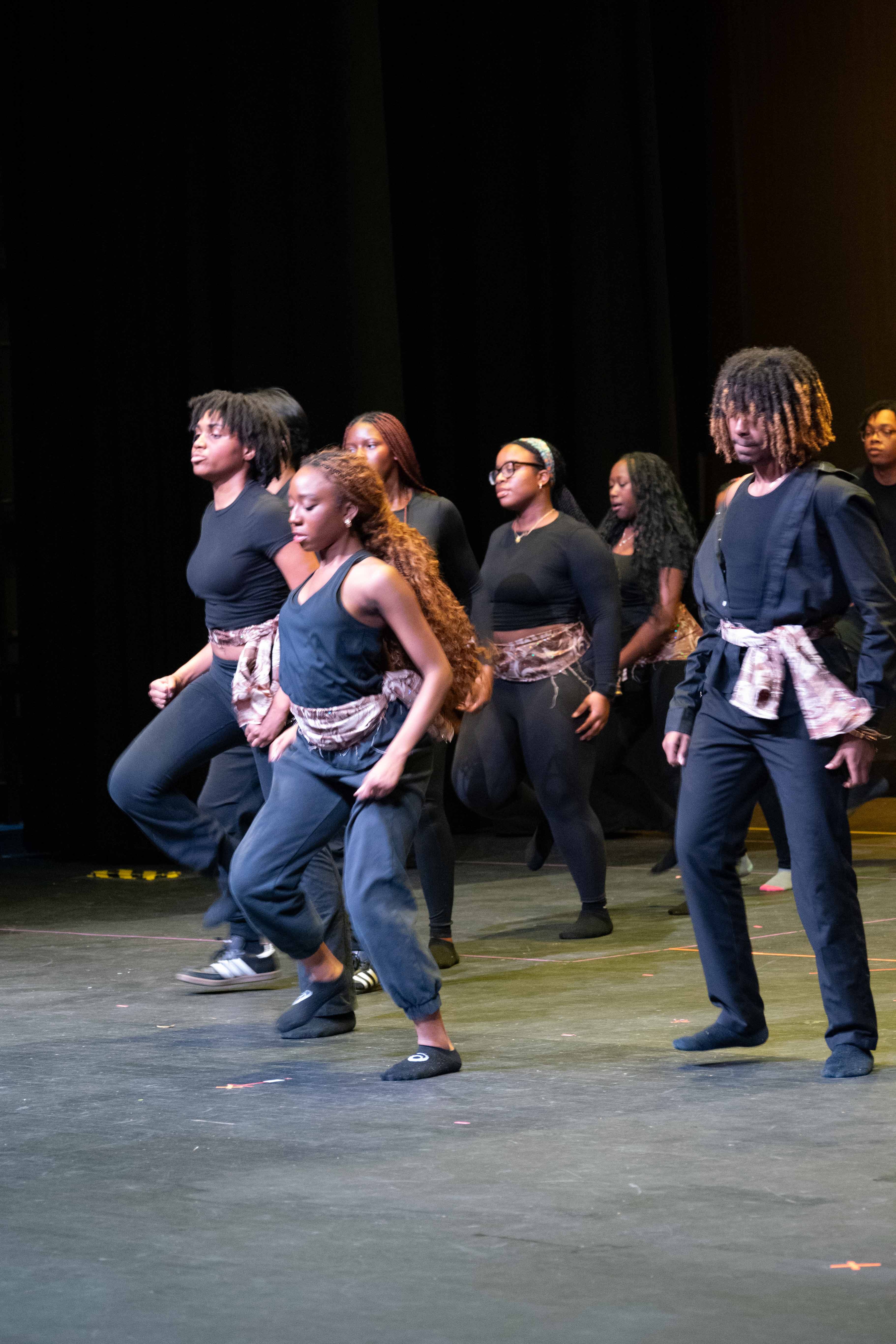
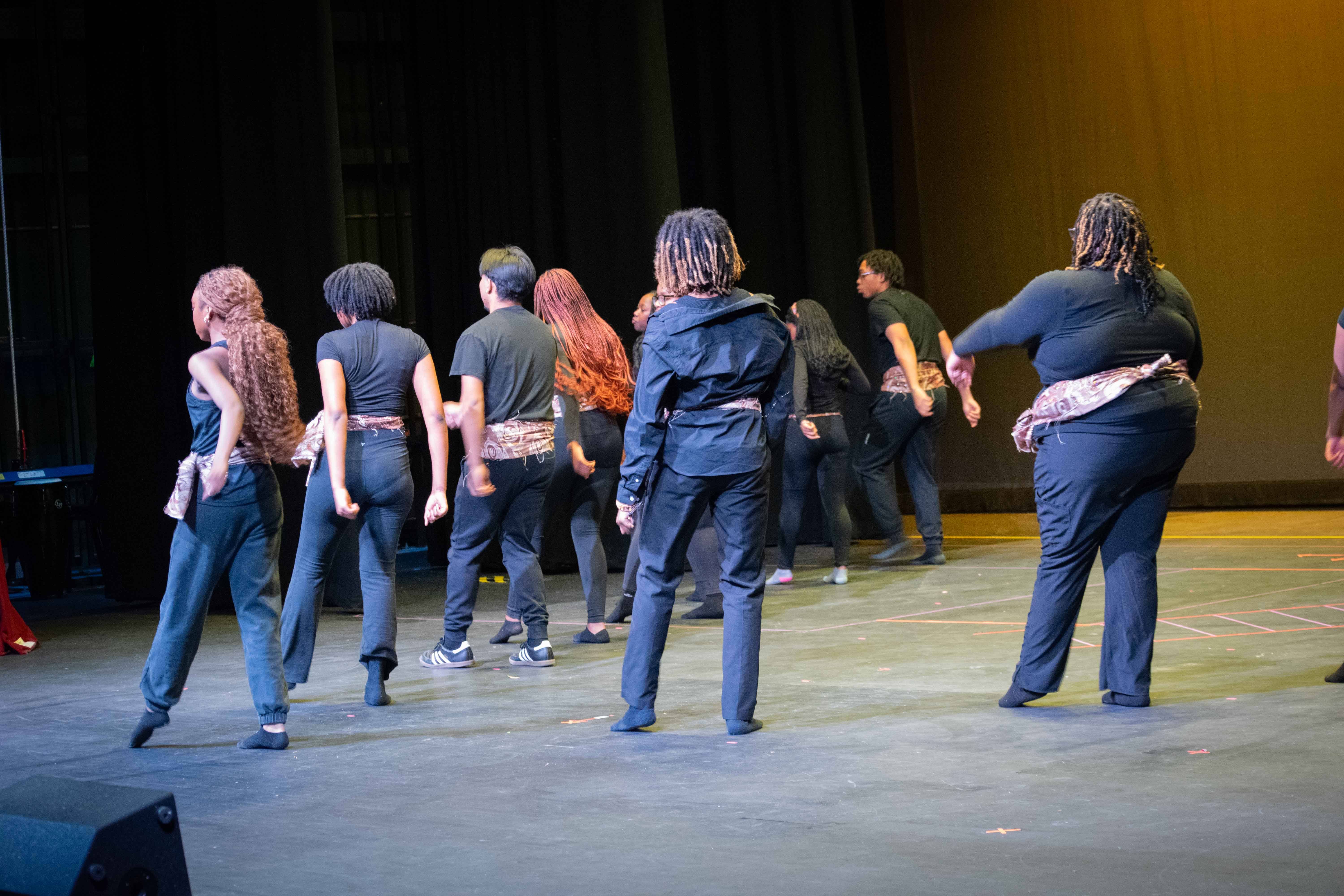
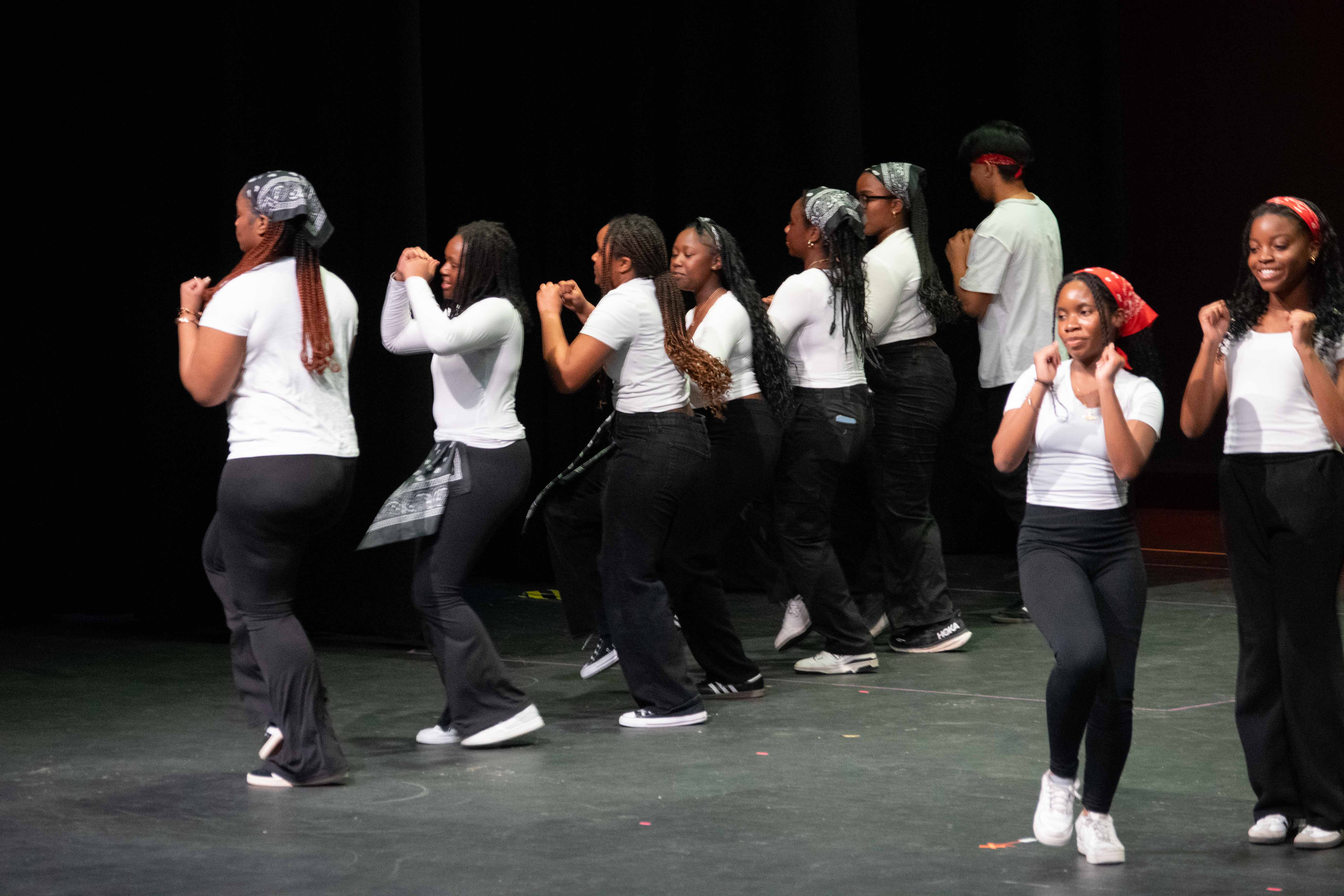
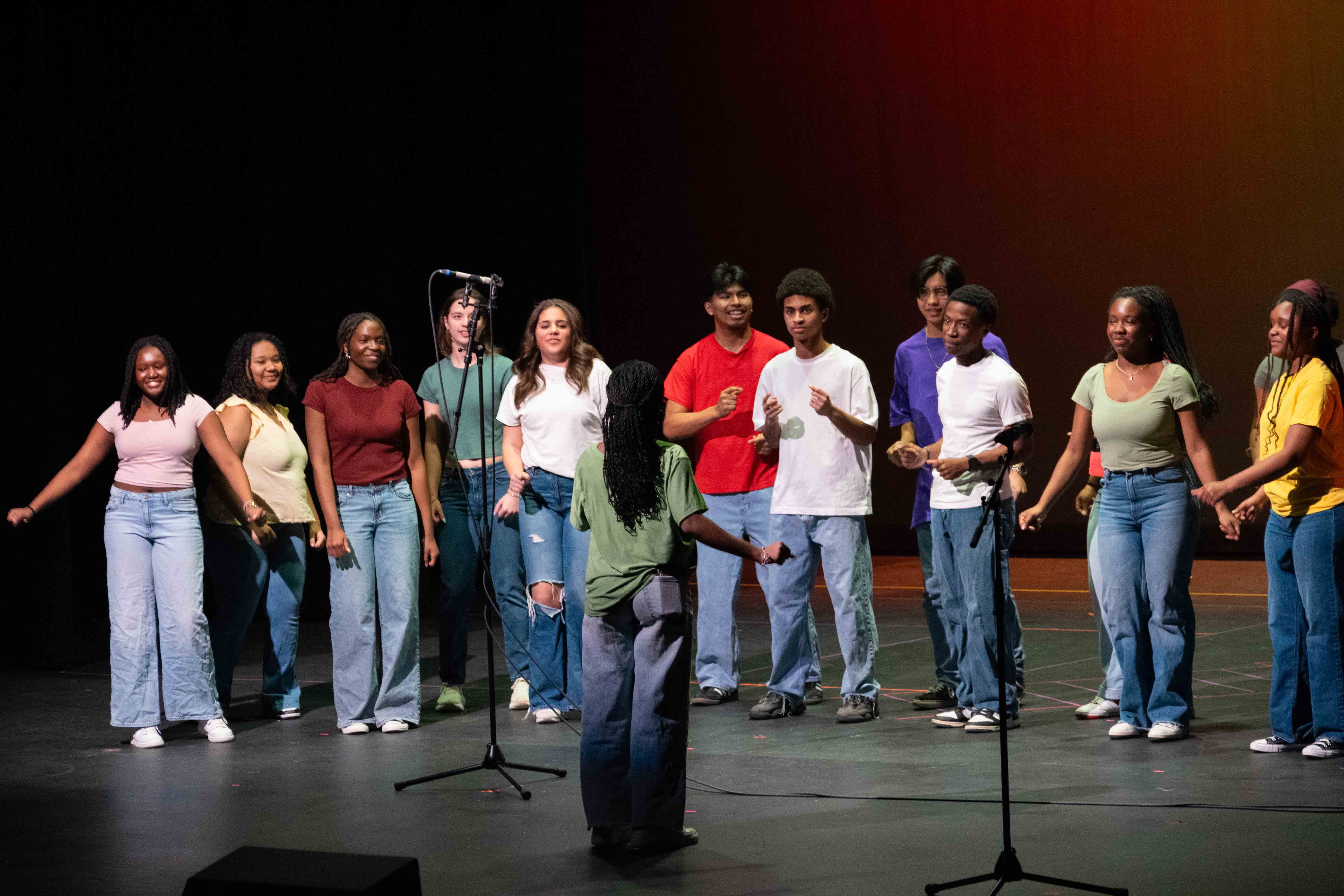
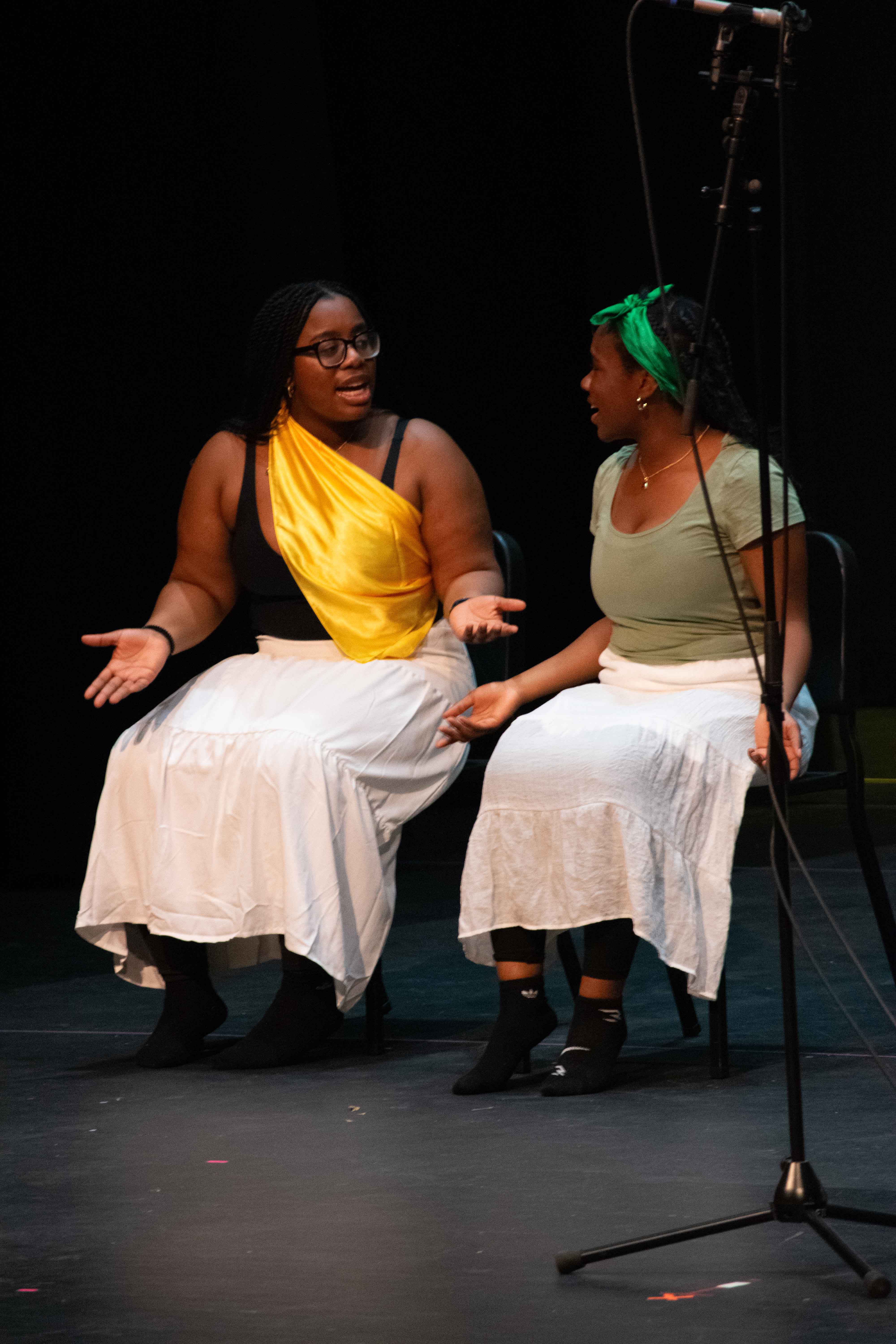
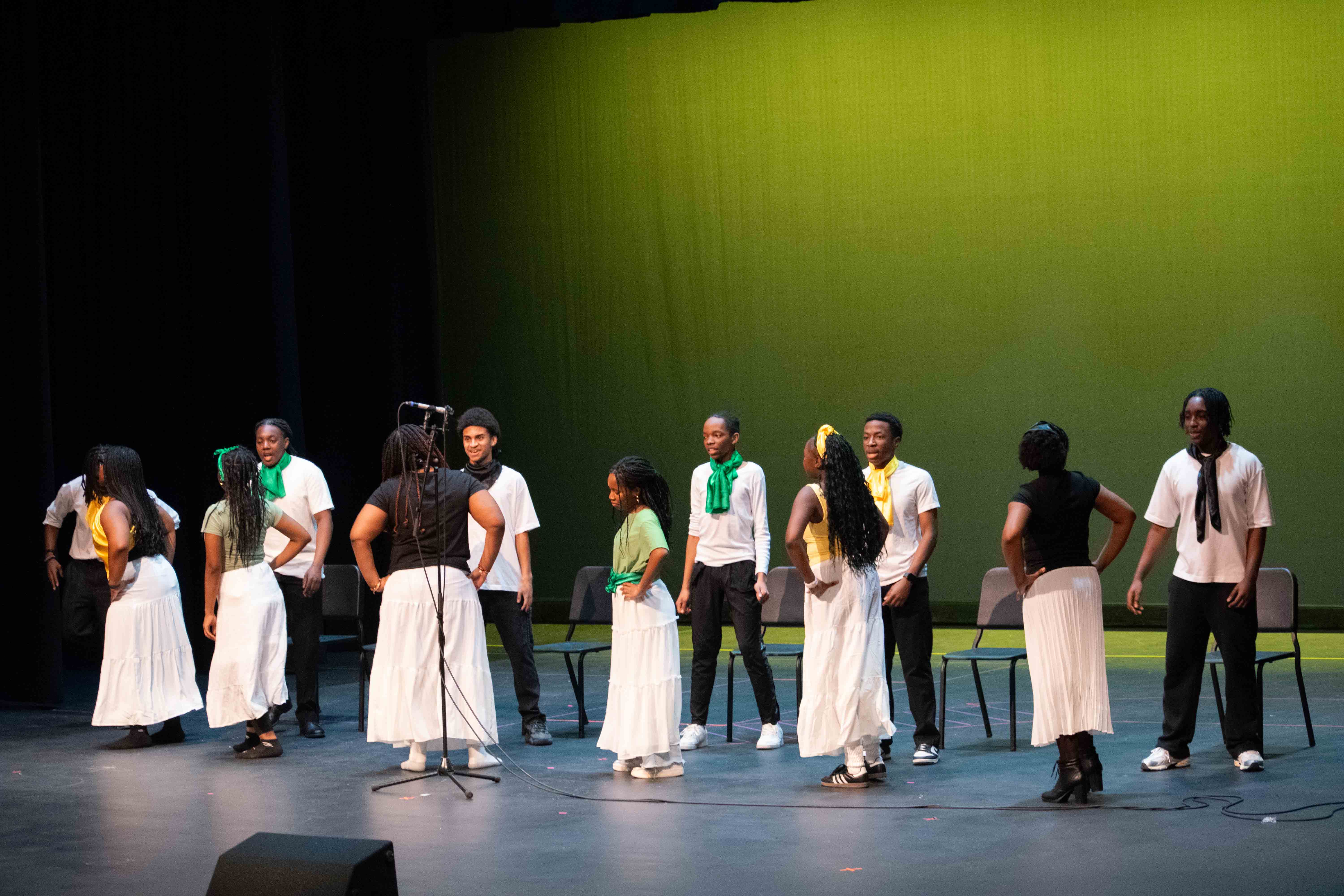
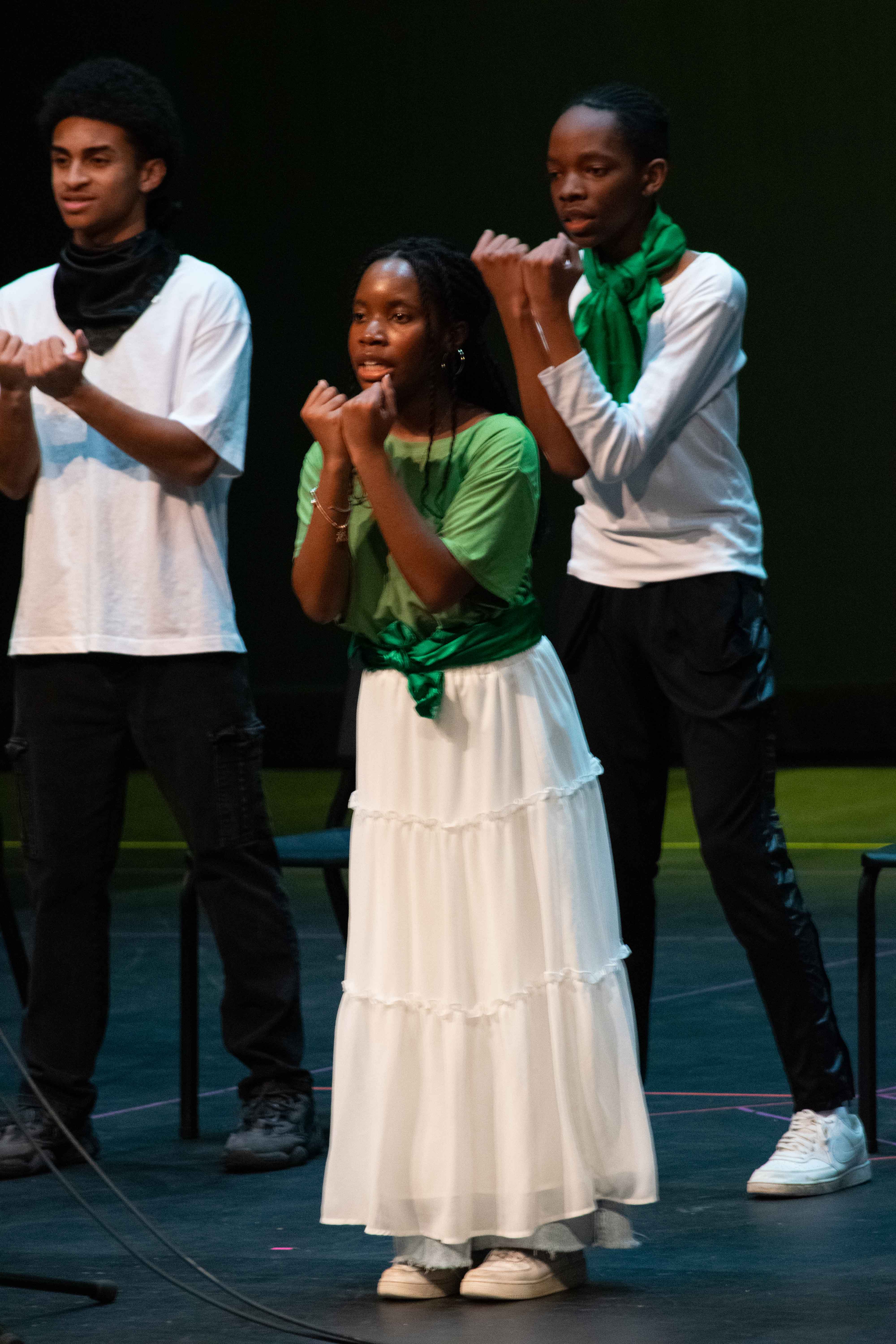
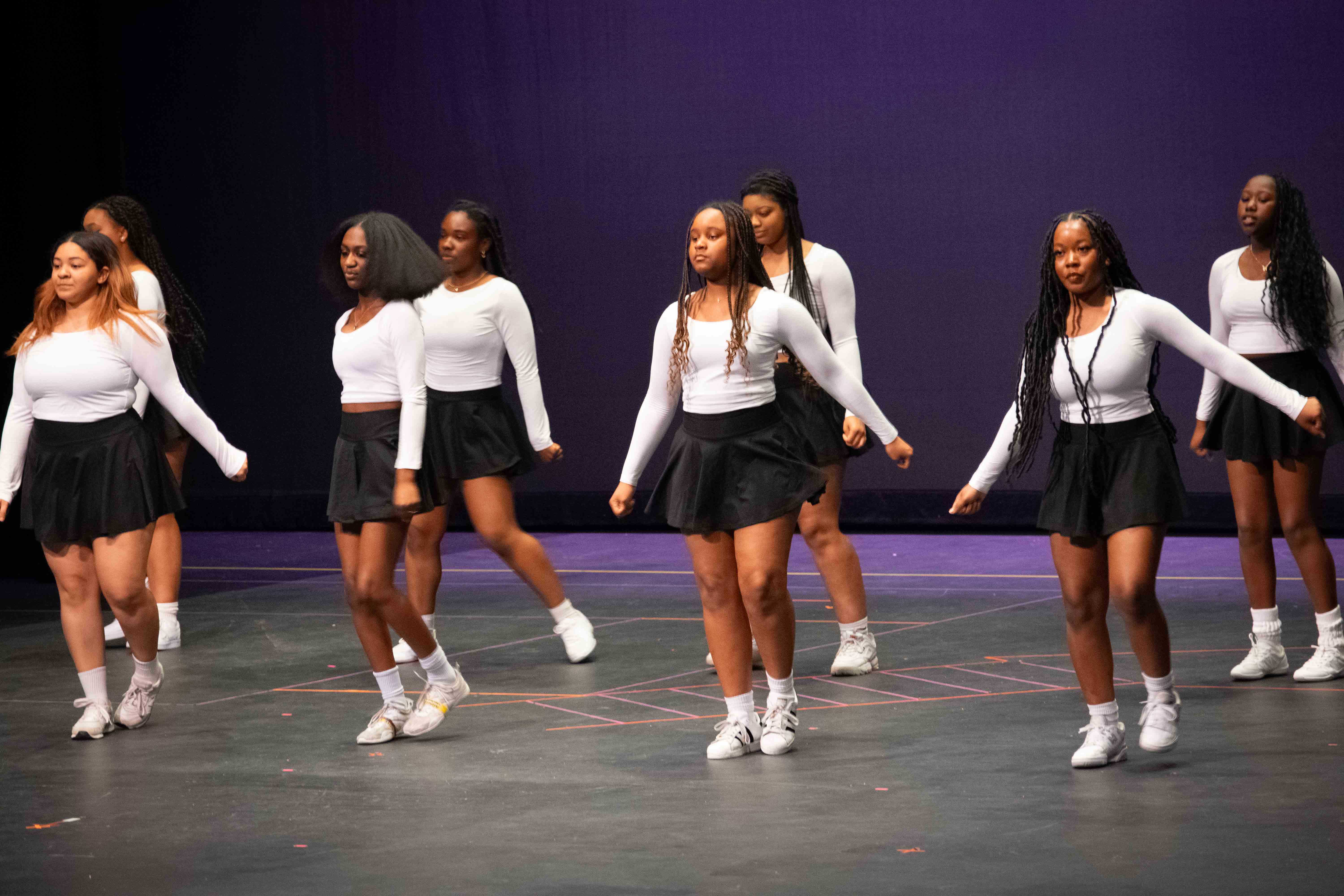
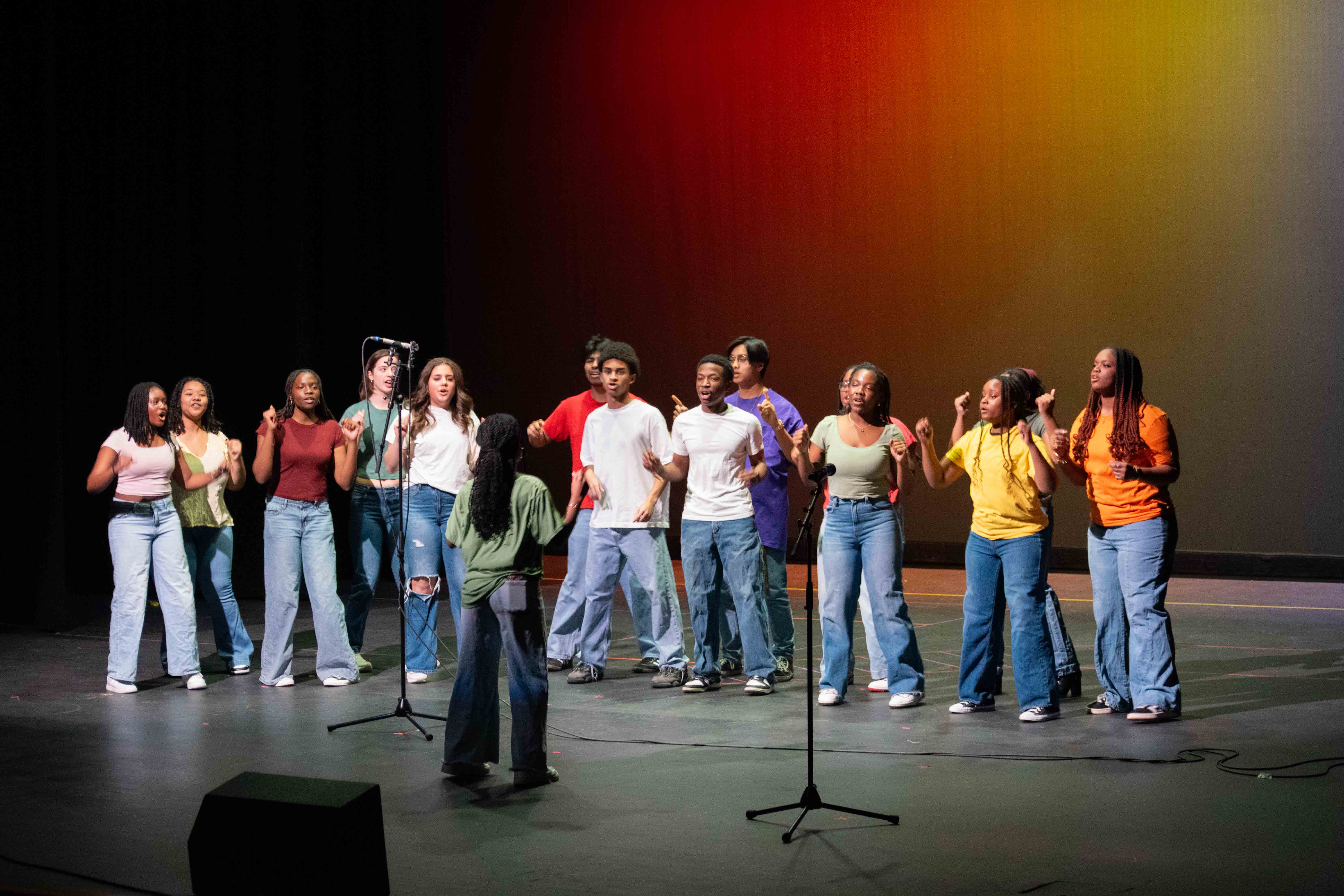
    SIKHADU LA: EXPLORING THE GOLDEN CITY. The Black Student Union (BSU) organized and hosted Africa Fest 2025 on February 22 in the ETC Auditorium. This festival showcased a variety of incredible performances, spoken word, songs, and marches highlighting African, African American, and Afro Caribbean cultures

  • NIH Discovers Healthcare Breakthrough by Cutting Funding and Praying for Innovation

    NIH Discovers Healthcare Breakthrough by Cutting Funding and Praying for Innovation

    THE NIH REPORTS THAT THEIR EMAILS BACK TO CONGRESS ARE MET WITH THIS AUTOMATIC
    REPLY. (Teresa Fang/The Stentorian)

    By Teresa Fang, Stentorian Editor-in-Chief

    In a groundbreaking study funded by the National Institutes of Health (NIH)—right before their budget was unceremoniously slashed—scientists discovered that medical research does, in fact, require money. This shocking revelation, published in The Journal of Things We Already Knew, came just in time for Congress to announce its latest fiscal strategy: cutting NIH funding in favor of more “cost-effective” scientific solutions, such as wishful thinking and essential oils.

    Dr. Evelyn Carter, lead researcher at the now-defunct Institute for Curing Everything, expressed her concerns. “We were this close to finding a universal cancer vaccine. But, hey, I’m sure tax breaks for billionaires will cure something,” she said while packing up her lab equipment to sell on eBay.

    In response to public outcry, a government spokesperson assured citizens that medical advancements would not be affected. “We believe in the power of innovation,” he said. “And if there’s one thing history has taught us, it’s that the private sector, with its great track record of affordable insulin and fair hospital pricing, will surely step in.”

    Meanwhile, former NIH researchers have found creative ways to fund their work. Dr. James Patel, a neuroscientist, recently launched a GoFundMe titled Help Me Cure Alzheimer’s Before I Forget Why I Started This Campaign. It raised $27 before being overshadowed by a TikTok influencer’s fundraiser for designer dog sweaters.

    At press time, Congress was considering reallocating NASA’s budget to astrology, citing “strong public interest in Mercury retrograde.”

  • How T-Cell and B-Cell Epitope Prediction Preps You Against Pathogens

    How T-Cell and B-Cell Epitope Prediction Preps You Against Pathogens

    (Teresa Fang)

    By Teresa Fang, Stentorian Editor-in-Chief

    There are always new viruses emerging, and, like SARS-CoV-2, which causes COVID-19, they are constantly evolving into different variants or strains. Researchers are racing to find vaccines and therapies that can improve outcomes for patients worldwide, using methods ranging from traditional lab work to computational biology (bioinformatics), and even artificial intelligence (AI). To understand vaccine development, we first need to understand how our immune system fights germs.

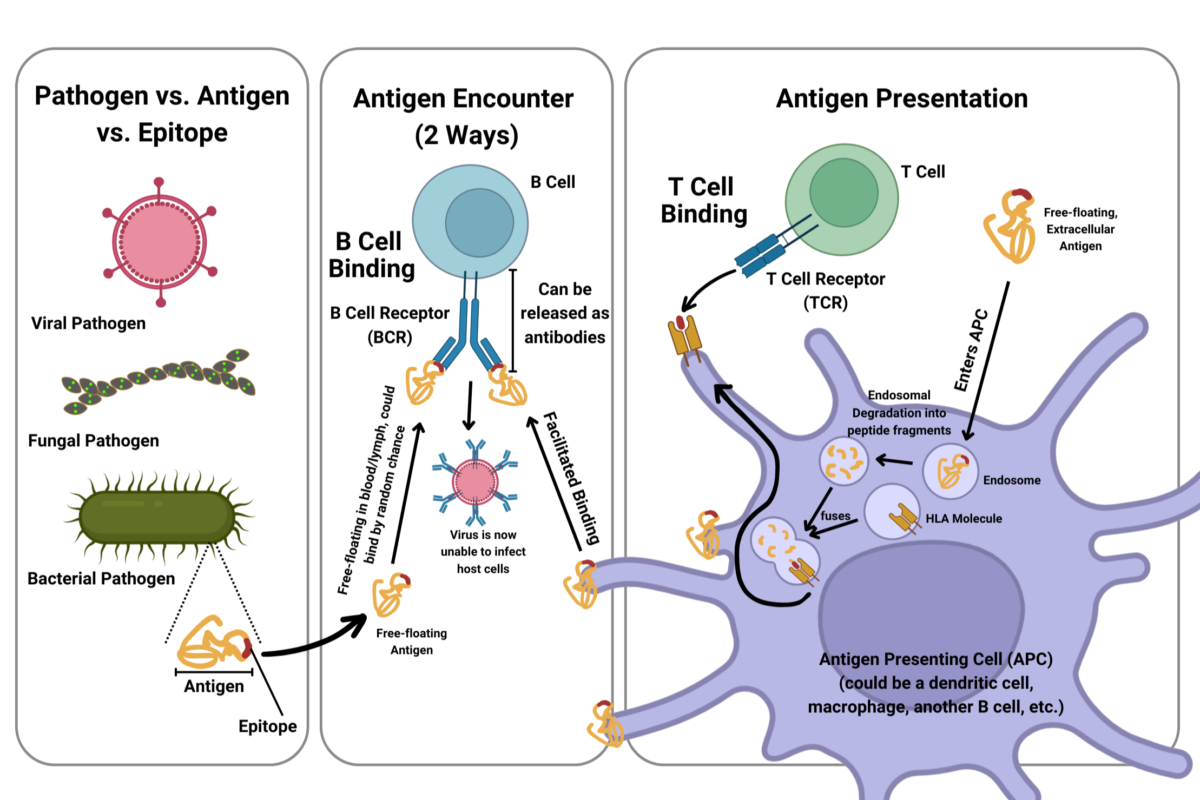
    “The scientific world is constantly on the lookout for potential new pandemics so when there is a new virus, we would be able to quickly predict and measure the immune response,” said Dr. Alessandro Sette, a professor at the La Jolla Institute for Immunology in San Diego, California, and Director of the Center for Cancer Immunotherapy and Center for Vaccine Innovation. Being able to predict and measure how the body’s immune system will respond to viruses is essential to developing effective vaccines. The immune system recognizes, remembers, and destroys disease-causing organisms, called pathogens, and can provide long-lasting protection from future attacks. Pathogens are made up of antigens, which activate the immune response. 

    The body’s immune response is mediated by B cells and T cells. They do not recognize pathogens as a whole but instead recognize epitopes, which are unique markers on the antigens. If you’ve ever seen pictures of the SARS-CoV-2 virus, the spikes on the virus’s surface are the antigens that allow researchers to develop COVID-19 vaccines. These are critical for the immune system’s ability to identify and respond to foreign invaders such as viruses and bacteria.

    Predicting B-cell vs. T-cell epitopes

    The difference between B cells and T cells makes it necessary to have multiple methods for predicting their epitopes. B cells produce antibodies that usually bind to cell-surface epitopes that are folded in a three-dimensional structure. This method used for B-cell epitope prediction is called discontinuous 3D structure-based epitope prediction.

    “Antibodies recognize things on the outside and often recognize three-dimensional structures that are made out of discontinuous epitopes,” said Dr. Sette. “These are epitopes that are made from parts of a protein that are not necessarily like ducks in a row.”

    (Teresa Fang)

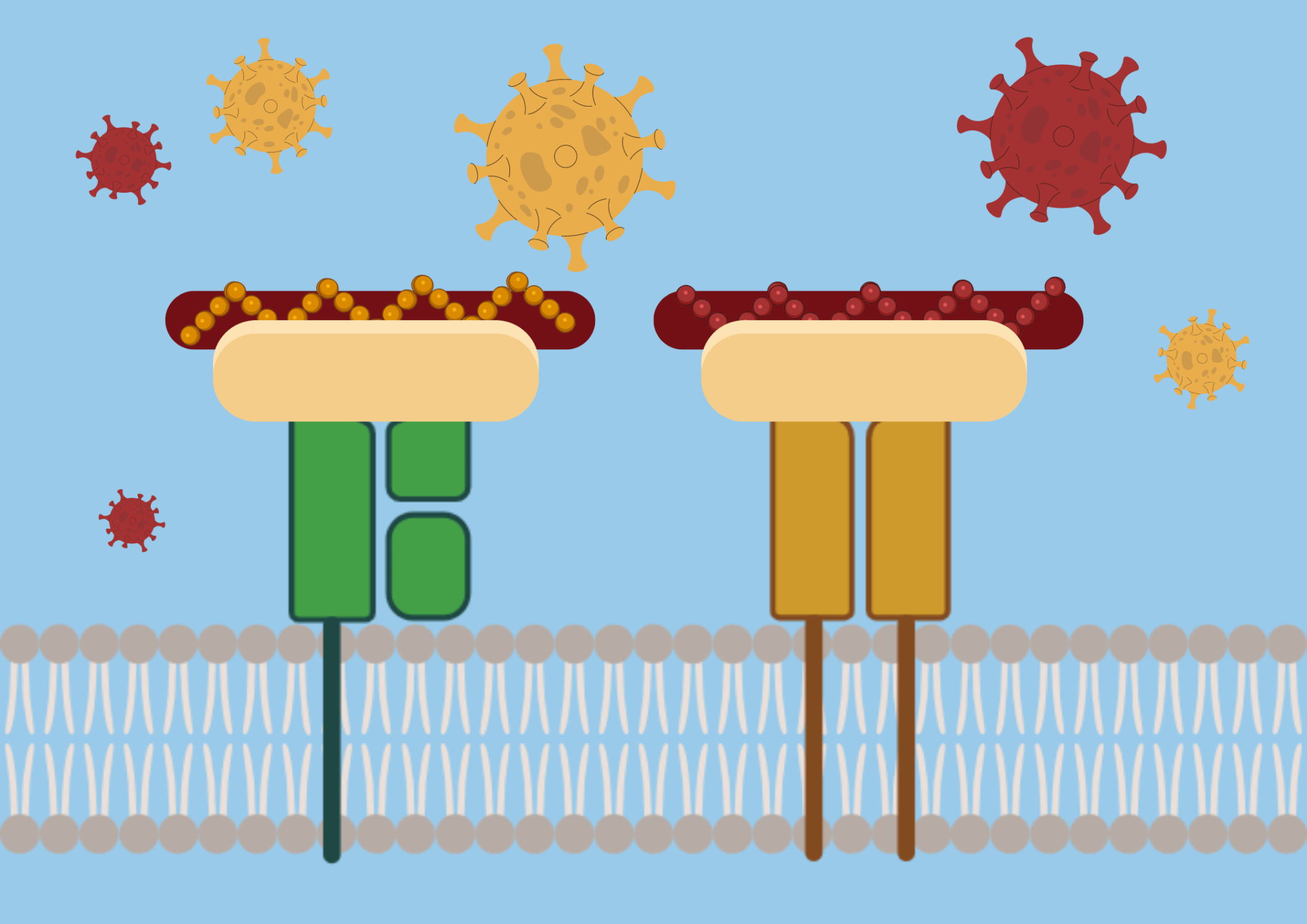
    T cells are entirely different: They recognize chopped-up fragments of proteins bound to human leukocyte antigen (HLA) molecules. Also known as major histocompatibility complex (MHC), these are specialized molecules on a cell’s surface for detection, holding important epitopes, for T cells. T-cell epitope prediction, therefore, is not limited to far-apart 3D structures like B cells are. Instead of discontinuous epitopes, T cells recognize linear epitopes. This method is called linear sequence-based epitope prediction.

    “If you could see the structure of an HLA molecule with a peptide bound to it, it looks like a hot dog bun with a sausage in the middle,” Dr. Sette explained. “That is the fragment where the peptide is stretched out.”

    Currently, most vaccines and therapeutics target B cells because antibodies are easier to measure than epitope fragments in T cells, although both are important for vaccine design.

    Bioinformatics in advancing epitope prediction

    In the past, vaccines were developed by using whole inactivated pathogens (such as in polio), an approach that was not always successful, or by predicting epitopes using traditional lab techniques, which are laborious and time-consuming. Recent advances in computational biology and bioinformatics have significantly improved the ability to predict epitopes for B-cell and T-cell activation in a time-sensitive manner. 

    Dr. Sette is part of a team that develops and oversees the national Immune Epitope Database (IEDB), a free, widely-used bioinformatics resource database for storing epitope structures. It has two purposes: to function as a catalog for epitopes and as a collection of epitope prediction tools for immunology research around the world. The IEDB uses many methods to predict epitopes and is always being updated. Generally, it analyzes patterns in already-known epitope structures to predict the epitope for an unknown one for B-cell or T-cell activation. One key area in these advances lies in AI. Machine learning (ML) algorithms, trained on large datasets of known epitopes and their interactions, can improve the accuracy of predictions. Dr. Sette plans to use ML approaches to improve data curation and algorithm prediction.

    “We will be relying on predictions more than data that is already available because if it is a new virus, we’ll have to rely on more innovative approaches,” Dr Sette said. He believes that if another pandemic arrives, epitope prediction will give researchers an upper hand in fighting against its spread.

  • Best Day Ever of Western Civilization To Be Reached This Friday at 11:11 A.M.

    Best Day Ever of Western Civilization To Be Reached This Friday at 11:11 A.M.

    (AI-generated image)

    By Teresa Fang, Stentorian Editor-in-Chief

    An international panel of leading doctors, people with PhDs, online influencers who don’t have PhDs, historians, and so-called “almond moms” announced this week that Western civilization will reach the “best day ever” starting at 11:11 A.M. Friday.

    “From the data I got staring at the sun yesterday to analyzing the fluctuations in gravitational constants to creating a database of all the alpha wave music I found on YouTube to today’s top-grossing movies featuring naked world leaders, I have discovered there is a shared milestone in each of these activities, festering into one exact moment in time,” said MIT graduate student Robert Dukie, who is completing his PhD at the Best Lab, which focuses on evaluating the psychoanalytical and philosophical considerations of computational geologic dating. 

    He gestures towards a nearby line graph illustrating Western society’s highs and lows. He draws a circle at one peak using a fat red Sharpie. “We’ve been charting this scientific and cultural ascent for generations now, from the creation of sliced bread to the first monkey in space, to the graffiti we’ve scanned in bathroom stalls at 18092 different public high schools. Everything has been leading up to this Friday.”

    According to this unlikely group of panelists, the first miracle of “Best Day Ever” will occur at 11:11 a.m., when an Uber Eats driver will enter NCSSM-Durham’s PEC, believing the school to be a lackluster cubist prison, and, not finding what he is looking for, ask where “the freaking ‘brain’ lobby is supposed to be.”

    The man, dressed in Crocs and blue overalls and determined by researchers to be the first catalyst in humanity’s epic beginning of a new era, will then be met with a $5000 tip from a certain Greenville-native, who will pop up from the bushes.

    “This awesome day has been a long time coming,” said researcher Jamie Olivier, before picking up a hot pink marker and, seemingly without thought or intent, drawing an enormous, stupid-looking smiley face on his clipboard. “And by the looks of things, this will be our reaction.”

    Some social media influencers believe the coming cultural pinnacle–the most intellectually and spiritually upgrading moment conceivable by science or philosophy–will signal the start of a healthier and less indecisive lifestyle. Many celebrated by filming 6-hour long TikToks (separated into multiple parts) and talking into microphones about every other time they did “something good for myself.”

    “I’m just taking care of myself until that day,” said self-identified “carnivore” Miley Raymonds, mom of four, tearing out a hunk of what looked to be a skinned squirrel with her teeth. “God knows I trust those ‘see-in-tists’ completely. Our budget’s been constrained to the point we’ve had to scavenge for roadkill, and my little meat-eaters cannot be living on protein-less spinach and greens and less-than-quality red meat.”

    Despite the panel’s findings, many are skeptical that humanity will see a new change on Friday, claiming that good things in life are only rewarded to those who act. The same terrible things happening in the world are likely to continue as egg prices rise to $1000 per carton and ICE becomes SHICE, now committed to deporting all people with small hands, which are of course “un-manly” and “un-American.”